March Madness Marketing Plays: Familiar Faces, Fresh Angles, And Fan Truths
March Madness is one of the last places brands can still reach massive audiences all at once. This year’s ads show how marketers are using that moment to connect through culture, storytelling, and fan insight.
Make brandbeat one of your go-to sources on Google


At a time when audiences are spread across platforms and formats, March Madness remains one of the few events that still brings viewers together at scale, and it's showing up in the ad market. CBS Sports and TNT Sports report high demand for the 2026 tournament, with inventory nearly sold out and more than 100 brands activating across platforms. From an advertising standpoint, it’s a reminder of just how valuable live sports has become.
Here are a few standout campaigns from this year’s tournament:
Full-court connection: AT&T is bringing star power to March Madness as part of its ongoing Connection Matters campaign. The telecom brand’s latest spot, Ranger Ted, debuted during the NCAA Selection Show on CBS and features a mix of past and present New York Knicks talent, including Jalen Brunson, Karl-Anthony Towns, Jose Alvarado, Patrick Ewing, and John Starks. Created as a lighthearted storyline, the ad follows the group hiking to a watch party, ultimately relying on AT&T’s network to stream the game and connect with teammates along the way. The campaign continues AT&T’s playbook of pairing sports culture with everyday connectivity, using familiar faces and humor to showcase product reliability during one of the most-watched moments in live sports.
Advertiser takeaway: March Madness creates a rare moment where scale and cultural relevance overlap, and AT&T leans into both by anchoring its messaging in recognizable talent and a consistent campaign platform. By building on Connection Matters and reusing familiar athletes like Brunson, the brand reinforces continuity while still delivering fresh creative. When attention is at a premium, brands that build on recognizable ideas tend to outperform those starting from scratch.
Home court away from home: Marriott Bonvoy zooms in on the role hotels play in the moments around the game with its new Where Gameday Checks In campaign. Created with Wieden+Kennedy New York and directed by filmmakers Jonathan Dayton and Valerie Faris, the campaign runs across March Madness and U.S. Soccer programming, blending 30- and 15-second spots with social content and a companion podcast series. The ads feature a mix of real athletes and coaches, including Geno Auriemma and Ilona Maher, showing pregame rituals unfolding in hotel rooms, breakfast nooks, and poolside training sessions. By focusing on the behind-the-scenes moments athletes experience while traveling, Marriott ties its hospitality offering directly to the emotional and cultural fabric of sports.
Advertiser takeaway: March Madness campaigns don’t always need to center on the game itself to resonate. Marriott shifts the lens to everything that happens around it, carving out a distinct role in the broader sports ecosystem. By connecting its brand to preparation, routine, and shared moments, the campaign expands what counts as "sports marketing" and opens up more authentic entry points for storytelling. Sometimes, what’s happening just outside the spotlight is where the real story is.
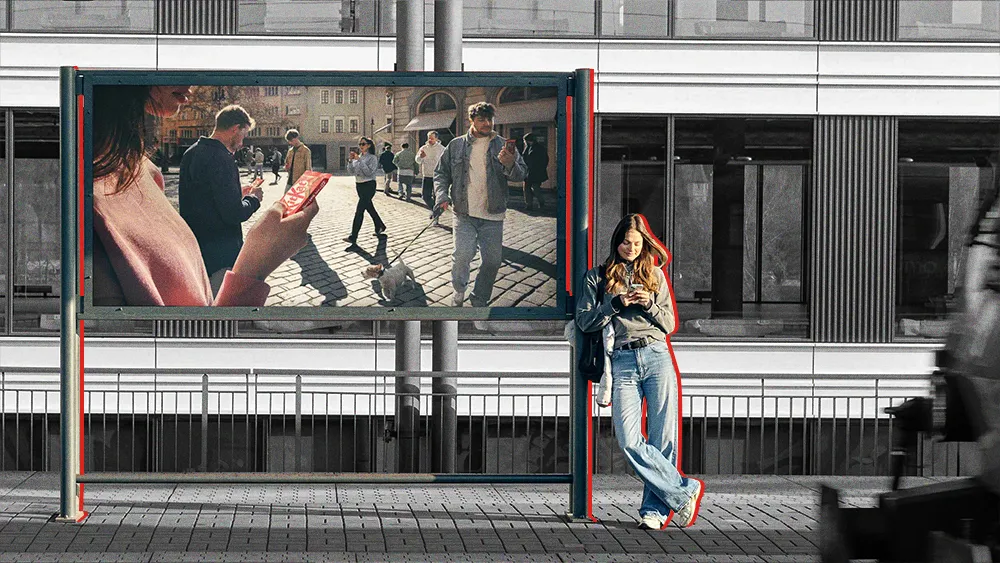
Bracketology gone wild: ESPN taps into fan obsession with a satirical March Madness spot that frames bracket fever as a medical condition. The campaign, dubbed Bracketbrain, mimics pharmaceutical ads, complete with exaggerated symptoms and side effects, as fans begin seeing tournament brackets everywhere in their daily lives. ESPN bracketologist Joe Lunardi appears as the head of the fictional "Department of Bracketology," diagnosing the condition and pointing viewers to ESPN’s Tournament Challenge as the cure. Led by VP of Brand Marketing Seth Ader, the campaign leans into humor and cultural familiarity to position ESPN as the central hub for March Madness participation.
Advertiser takeaway: Not every March Madness campaign needs star athletes or high production spectacle to break through. ESPN leans into a shared fan behavior and exaggerates it in a way that feels instantly recognizable. By anchoring the creative in a universal insight (bracket obsession), the campaign turns a product feature into a cultural joke audiences are already in on. Strong creative builds on real moments people recognize, then stretches that truth just enough to leave a lasting impression.