Summer 2026 Has Brands Going All In On Sustained Presence
The 2026 World Cup is anchoring the most brand-heavy summer in years, and the early campaigns tell a clear story: sustained presence, contextual creative, and a major role for OOH.

Make brandbeat one of your go-to sources on Google


Summer has always been a big moment for brand marketing, but 2026 is operating on a different scale. The FIFA World Cup kicks off June 11 across 16 host cities in the United States, Canada, and Mexico, bringing 48 teams, 104 matches, and an estimated six billion viewers to a tournament that will run for nearly six weeks. It's the first World Cup hosted on U.S. soil in this expanded format, and brands are treating it accordingly. But the summer calendar extends well beyond the pitch. Music festivals, travel surges, new store openings, and a consumer base that's spending more time in stores than many predicted are all converging to create one of the most brand-heavy seasons in years. Here's how advertisers are showing up.
Hundred-million-dollar bets
The scale of investment around this summer's World Cup is striking. Ferrero North America is putting $100 million behind its first-ever portfolio-wide campaign, the biggest marketing commitment in the company's history. The "Go All In" promotion runs from April through July and brings Nutella, Ferrero Rocher, Butterfinger, Kinder Bueno, and Blue Bunny together under a single umbrella fronted by Tom Brady. The campaign stretches across streaming platforms, social channels, influencer partnerships, and retail displays, with a $1 million sweepstakes at the center of the consumer experience. For a company that made its Super Bowl debut just months ago, the World Cup push represents a deliberate effort to tie its brands to the summer's defining cultural moment.
Lay's is taking a different but equally ambitious approach. As the tournament's official snack partner, the brand has expanded its four-year-old No Lay's, No Game platform into a six-week campaign ecosystem built around Lionel Messi, David Beckham, Thierry Henry, Alexia Putellas, and Steve Carell. The activation features a celebrity WhatsApp series, 40 globally inspired limited-edition flavors, and a "Fan of the Match" program that awards one fan per game with premium tickets, pitch-side access, and a jumbotron feature at halftime, totaling 104 individual winners across the tournament. Adidas launched its You Got This campaign with Messi, Lamine Yamal, Florian Wirtz, and Trinity Rodman, and partnered with Roblox to create FIFA Super Soccer, bringing the World Cup into one of Gen Alpha's most active digital environments.
Six weeks changes the strategy
What makes this summer worth studying from a planning perspective is the duration. A single-evening event like the Super Bowl rewards high-production hero spots and real-time social moments. A six-week tournament rewards something fundamentally different: sustained presence, contextual relevance, and the ability to evolve messaging as the bracket narrows. The extended engagement window naturally favors frequency-based campaigns with universal messaging, which means the brands that win the summer won't necessarily be the ones with the biggest single moment, but the ones that stay present and relevant across the full six weeks.
That thinking is reflected in how the biggest spenders have structured their summer plans. Ferrero's promotion spans four full months. Lay's has content and activations calibrated to sustain attention at every stage of the bracket. Adidas is layering digital, social, and gaming touchpoints that can adapt as the tournament progresses. Across the board, the brands committing the most resources this summer are building campaign systems designed to hold relevance over time, with multiple entry points across platforms and formats.
OOH steps onto the pitch
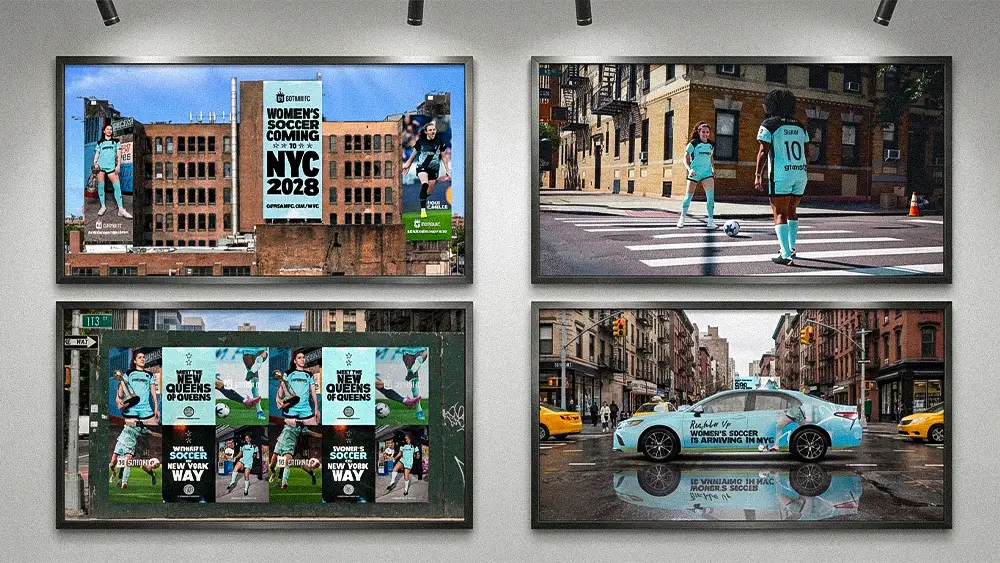
Physical-world advertising is playing a major role in how brands are preparing for the World Cup, and the planning started months before kickoff. FIFA invested $5 million in OOH in a single quarter to generate early excitement across host cities, a clear signal that real-world visibility is central to how the tournament's own organizers are thinking about fan engagement. Advertisers are following suit, locking in premium placements near transit hubs, fan zones, retail corridors, and entertainment districts well ahead of the summer rush.
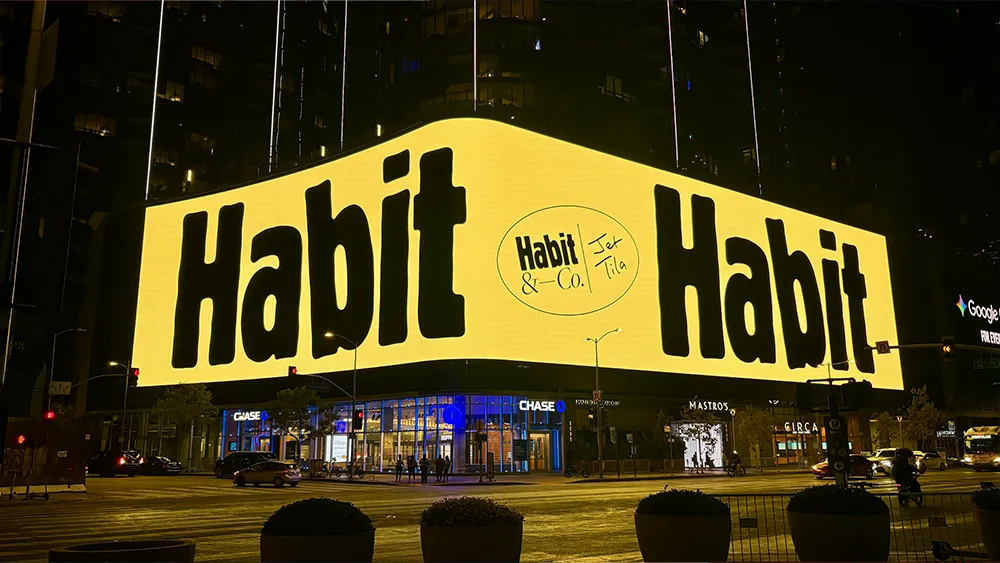
Digital out-of-home is where much of the creative innovation is taking shape. DOOH now accounts for more than a third of U.S. OOH spend, with that share climbing steadily each year, and brands are building dynamic creative designed to respond to real-time conditions: match results, weather, time of day, and local audience composition. For a tournament with daily matches across three countries, the ability to update messaging on the fly gives advertisers a responsiveness that fixed placements can't offer. Industry planning guidance increasingly emphasizes extended-arc campaign approaches that use OOH to bring digital campaigns into the physical world during moments when foot traffic and fan energy are peaking, reinforcing what's already running across CTV, mobile, and social.
Summer 2026 is a convergence of scale, duration, and cultural attention that the U.S. advertising market hasn't experienced before. The brands preparing most effectively are the ones building campaign infrastructure that can hold up across weeks, platforms, and physical spaces. With the first whistle now less than two months away, the most telling question may not be which brands show up on day one, but which ones are still resonating in week six.