From L’Oréal To KitchenAid To Disney, Priyanka Rathore Turns Cross-Category Range Into A Marketing Advantage
Priyanka Rathore, Senior Manager of Marketing Strategy at The Walt Disney Company, views career movement across industries as a way to build broader marketing perspective.
Make brandbeat one of your go-to sources on Google

The marketing playbook doesn't change. What changes is which levers of marketing to leverage or over-index on. If you don't listen to the consumer, you can fall into the trap of doing the conventional stuff.

Priyanka Rathore
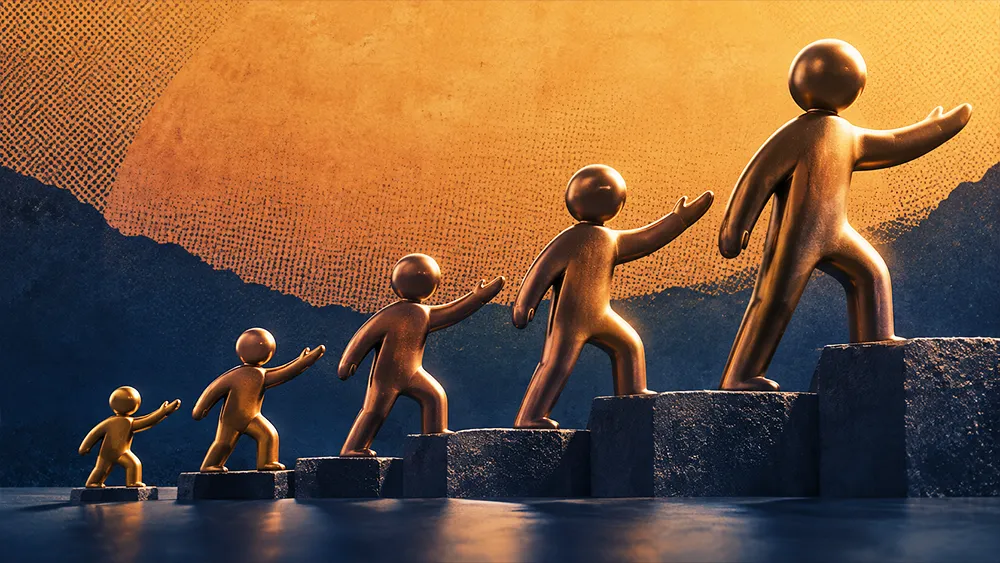
As marketing organizations grow more complex, career paths often become increasingly narrow. Many professionals spend years operating inside a single specialty, such as product, pricing, retail, media, or lifecycle marketing. That depth can build valuable expertise, but it can also create blind spots as modern marketing leadership expands far beyond any one discipline. Some executives avoid that trap by intentionally rotating across industries, geographies, and business models throughout their careers, using each move as a way to pressure-test how brands grow under entirely different conditions. Over time, that kind of deliberate variety can build a broader strategic instinct that is difficult to replicate inside a single-company career path.
Priyanka Rathore, Senior Manager of Marketing Strategy at The Walt Disney Company, built her resumé on exactly that premise. She intentionally "dimensionalized" her path, moving from field sales and P&L ownership at L'Oréal to navigating the front end of product development at Whirlpool, and eventually taking on masterbrand leadership for KitchenAid. That cross-category experience also earned her recognition and a place in the Ad Age 40 Under 40.
"The marketing playbook doesn't change. What changes is which levers of marketing to leverage or over-index on. If you don't listen to the consumer, you can fall into the trap of doing the conventional stuff," says Rathore. Early in her career managing L'Oréal’s Matrix brand in India, Rathore faced a challenge that had little to do with product differentiation. Artificial hair color lacked broad cultural acceptance, forcing the strategy to focus first on education and market development before traditional promotion could even begin. "Before I could say, 'Hey, this is a new color,' I had to tell people, 'Hey, you should color your hair,'" she explains. "It's such an ancient culture, so it was a completely different challenge, working and nurturing the market before you can sell the product."
Old stories, new audiences
Rathore faced a very different challenge while leading the masterbrand for KitchenAid. The century-old appliance brand already had strong recognition and steady sales, but younger consumers often associated it more with previous generations than contemporary food culture. Revisiting KitchenAid’s long-standing mission to "create possibilities in the kitchen," Rathore saw an opportunity to reconnect the brand to modern culinary ambition and creativity rather than nostalgia alone. That process eventually led to a long-form documentary spotlighting women pursuing careers in professional kitchens and tying the brand’s heritage to broader conversations happening across the industry.
Today, Rathore applies those same instincts inside a completely different kind of brand environment at Disney, a company that already possesses enormous emotional equity and global recognition. The challenge is not introducing consumers to the brand, but continually finding new ways to deepen emotional attachment and sustain fandom across generations. Much of that work centers on understanding how nostalgia evolves over time and how familiar emotional connections can be refreshed for modern audiences. For an upcoming holiday collection, her team has been exploring a concept they call "new nostalgia." "Our teams here do a lot of trend analysis and nostalgia work," she explains. "We're just working on a holiday collection based on how people want to connect with the old, but in a new way."
The rise of "analog resistance"
After working across categories as different as professional hair care, kitchen appliances, and entertainment, Rathore says one principle continues to surface regardless of the business model: consumer behavior changes constantly, but the need to deeply understand emotional motivation does not. While marketing tools, platforms, and measurement systems continue evolving, she believes the core discipline still comes down to understanding what consumers value, fear, aspire to, and emotionally connect with at a given moment. That perspective has shaped how she approaches everything from category creation to fandom marketing, with customer centricity functioning as the consistent thread across every stage of her career.
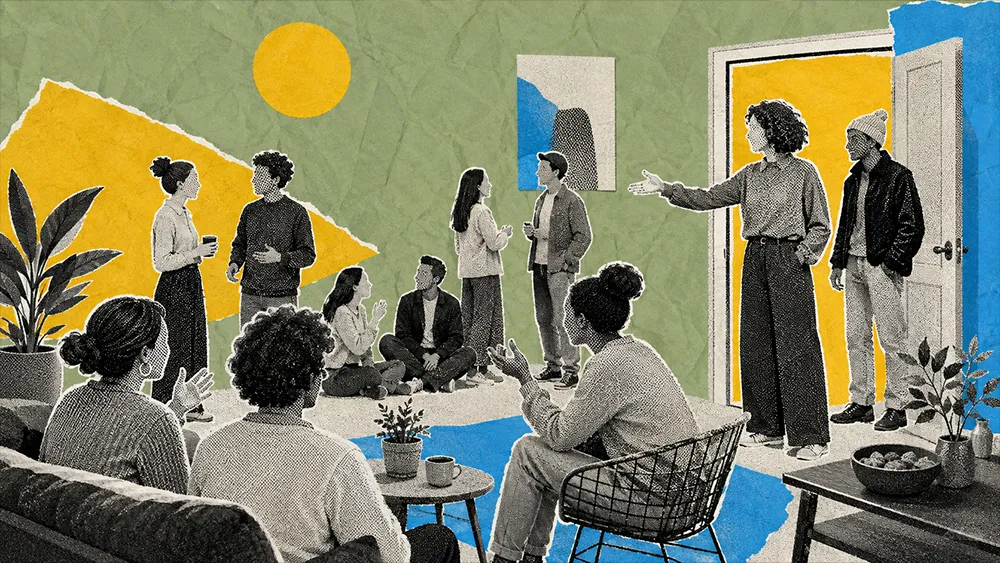
At Disney, that mindset increasingly includes tracking broader cultural shifts around nostalgia, emotional comfort, and consumers’ growing desire to disconnect from purely digital experiences. Rathore says her team has been exploring concepts like "analog resistance," particularly among younger audiences gravitating toward tactile, physical, and emotionally grounded forms of connection. For a brand that spans merchandise, storytelling, and immersive experiences, those signals directly shape how products and narratives are developed. "People want to go back. They want to get an actual, physical letter in their mail," she notes. "Bringing those emotional needs and desires into the product story is something that is just pivotal here at Disney."
A career built on perspective
Customer attachment fundamentally changes how brands approach marketing decisions, and Rathore says few companies illustrate that more clearly than Disney. The same aggressive repositioning tactics that might work elsewhere can quickly backfire with audiences who feel personally invested in Disney’s identity and history. That reality forces the team to think less in terms of broad demographics and more in terms of highly specific audience behaviors, emotional expectations, and fandom dynamics across different consumer groups. "If you were to change things ever so slightly, the fans may have strong opinions on it," Rathore says. "They love the brand and have been following it for generations."
That philosophy ultimately became the connective thread across Rathore’s career. Moving between industries exposed her to entirely different consumer behaviors, business pressures, and brand expectations, forcing her to constantly reassess which marketing instincts applied and which did not. Rather than treating each role as a repeatable formula, she approached every transition as an opportunity to build a broader understanding of how brands grow under different conditions. "My approach has been very much like a student: to have a learning mindset in my career," she concludes. "By changing my paradigm, my context, I was actually able to see marketing from different perspectives."