Last Week’s Marketing Moves: Yahoo Mail’s AI Push, Unilever’s Creator Strategy, And Meta’s Legal Pressure
This week highlights how brands are adapting to new tools, more structured creator strategies, and increased scrutiny around platform design.
Make brandbeat one of your go-to sources on Google


This week's marketing news is a reminder that the rules keep changing, and fast. Platforms are embedding ads directly into AI-powered workflows, creator marketing is being treated less like a campaign tactic and more like infrastructure, and a landmark jury verdict is forcing tough questions about the design choices that drive engagement. The thread connecting all of it: the systems brands depend on are being rebuilt in real time. Here's what stood out:
CAMPAIGN NEWS
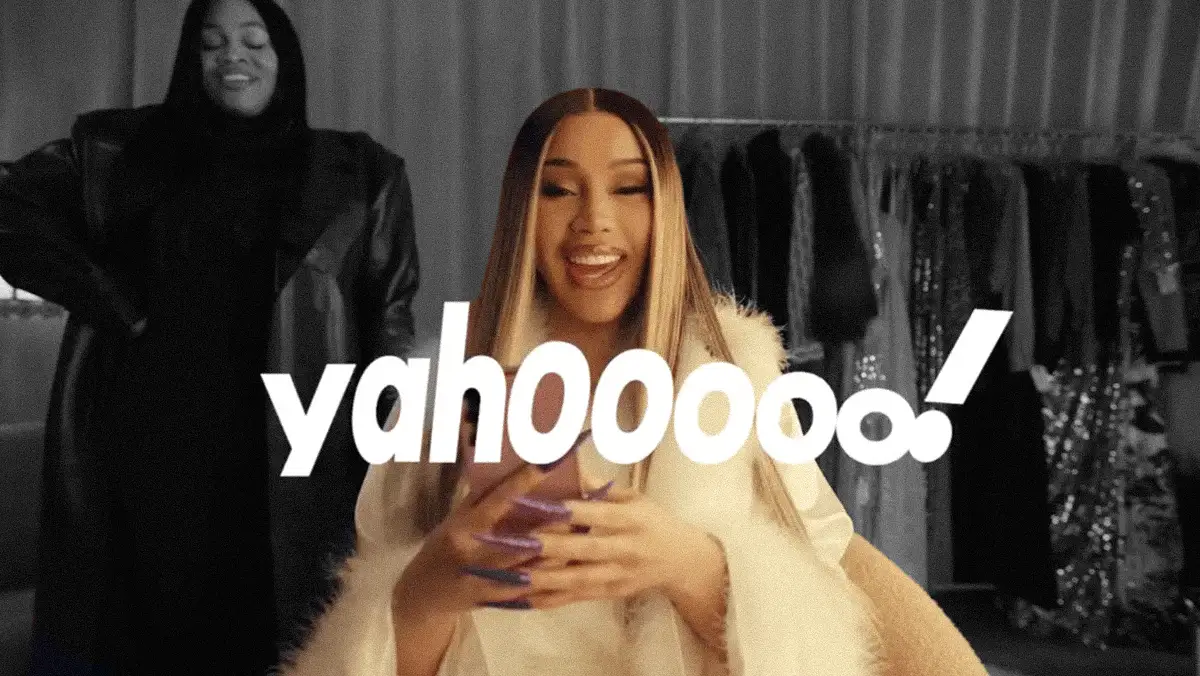
Inbox, upgraded: Yahoo Mail’s latest campaign starring Cardi B leans into a familiar modern tension: the feeling that your inbox is running your life. The Cardi B Busy spot introduces Planner, an AI-powered feature designed to turn emails into actionable tasks, surfacing reminders, deadlines, and key details in one place. The campaign frames this as a solution to "FOMSI," or the fear of missing something important, positioning Yahoo Mail as a tool that helps users stay organized rather than simply communicate.
What stands out is how the ad product connects to that experience. Alongside the launch, Yahoo introduced Sponsored Events, which allows brands like H&R Block to insert timely prompts, such as tax deadlines, directly into a user’s workflow. Instead of interrupting attention, brands are appearing in moments where users are already trying to complete a task.
Behind the headlines: Utility is becoming a more effective entry point for advertising. As AI tools reshape everyday workflows, brands have new opportunities to show up in ways that feel helpful and relevant to the task at hand. The closer advertising gets to action, the more likely it is to drive engagement.
AGENCY MOVES
Scaling the creator engine: Unilever’s latest move highlights how influencer marketing is evolving into something more structured. The company tapped social-first agency Samy to build a global influencer strategy for its food business, using the agency’s Maia platform to access more than 120 million creators and manage deployment, performance, and measurement across markets.
Samy’s approach combines centralized coordination with market-level execution, allowing campaigns to reflect local culture while still fitting into a broader strategy. This comes as Unilever continues shifting more of its media investment into social and expanding its use of creators across brands, treating influencer activity as a core component of its marketing engine.
Behind the headlines: Creator marketing is becoming more operational. As investment increases, brands are building systems to manage sourcing, deployment, and measurement at scale. The advantage is moving toward those who can coordinate globally while adapting locally, turning creator activity into a consistent capability rather than a series of one-off efforts.
AD TECH
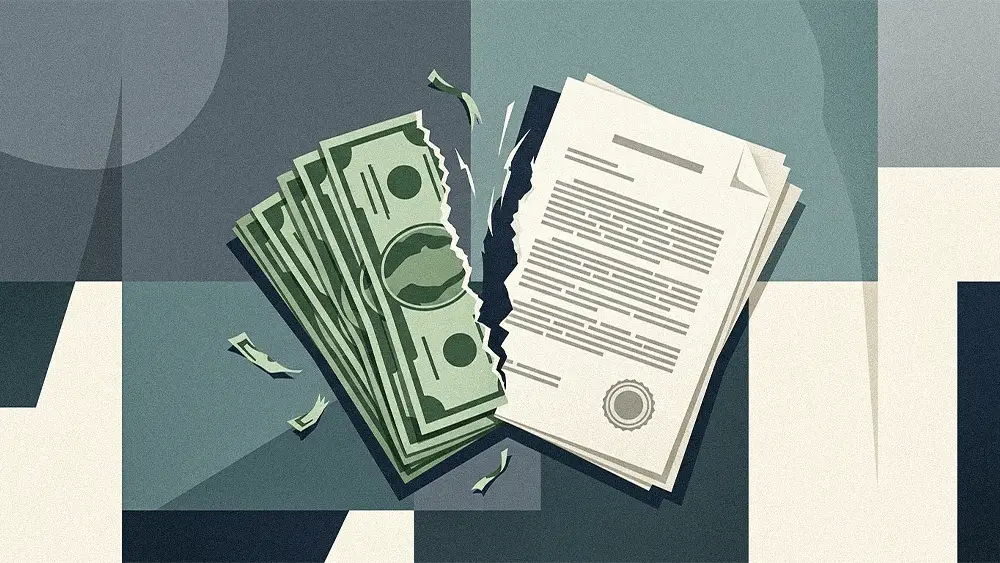
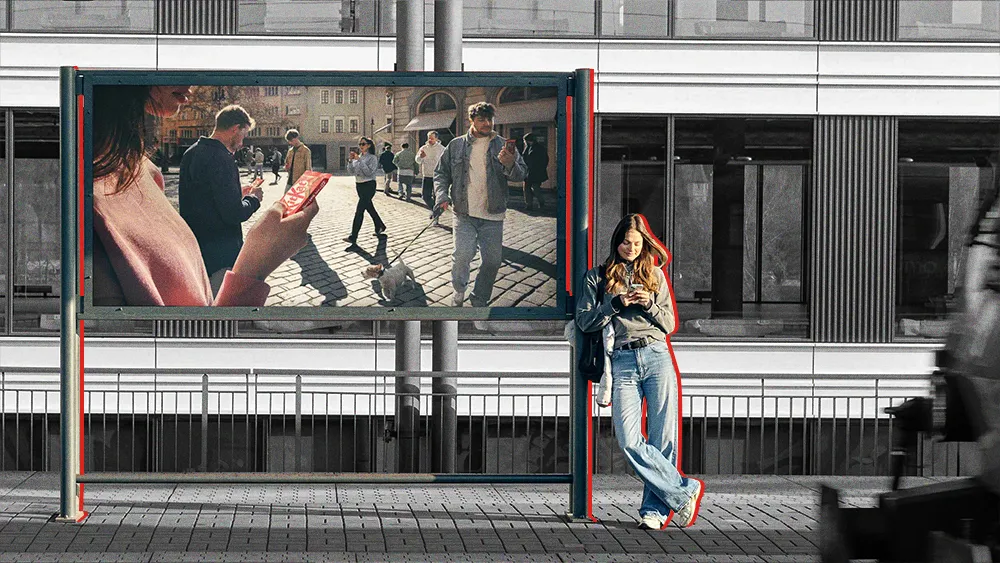
Design under scrutiny: Meta and YouTube are facing renewed pressure after a Los Angeles jury found both companies liable for designing products that contributed to harm, awarding $6 million in damages. The case focused on features like infinite scroll and autoplay, which plaintiffs argued were intentionally built to keep users engaged for longer periods of time. Jurors ultimately sided with that argument, concluding that the companies failed to adequately warn users about potential risks tied to how their platforms were designed.
This is one of the first cases to hold platforms accountable for how product design influences user behavior, and it arrives as a broader wave of lawsuits continues to build across the industry. The same mechanics that drive engagement are now being examined through a different lens, one that includes legal, regulatory, and public scrutiny.
Behind the headlines: Platform design is becoming part of the advertising conversation. As pressure increases around how engagement is created and sustained, brands may need to consider not just where they show up, but how those environments operate. Over time, this could influence everything from media planning to brand safety standards, especially as more cases move through the courts.