From The Fairway To The Pitch: What Masters Week OOH Data Means For World Cup Advertisers
As the Masters wraps another record week in Augusta, the tournament offers a real-time case study in how out-of-home advertising performs around major sporting events, with the FIFA World Cup just weeks away.
Make brandbeat one of your go-to sources on Google


Another Masters is in the books and once again, Augusta proved to be one of the most concentrated audiences in sports. Over the course of the week, an estimated 35,000 to 40,000 patrons attended Augusta National each day during competitive rounds. The on-site merchandise operation alone was projected to generate roughly $70 million during tournament week. Many visitors flew into Atlanta and made the 150-mile drive east, creating a sustained corridor of attention between the two markets. For OOH advertisers, it was one of the most measurable windows of the year, and a useful preview of what's ahead as the FIFA World Cup arrives on U.S. soil this summer.
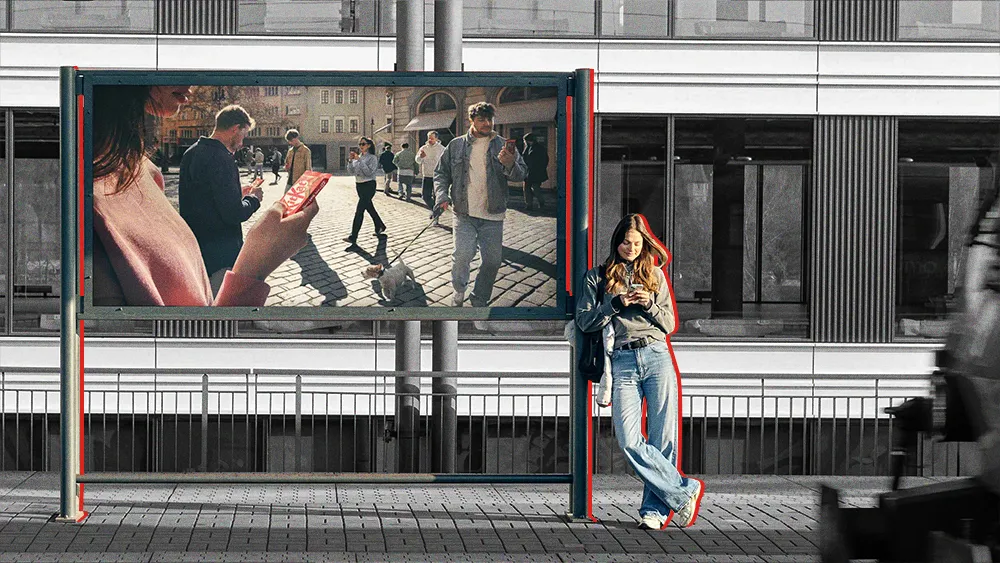
Fairways favor foot traffic: In a study of how OOH formats reached avid golfers in Augusta and Atlanta during Masters week, the two markets told very different stories. In Augusta, golfers were far more likely to encounter street-level formats, particularly transit shelters, which outperformed bulletins and posters by a wide margin. That tracks with how the audience actually moves during tournament week: on foot, walking the city between events, meals, and lodging. In Atlanta, the golf audience was spread more evenly across format types, with traditional billboards performing best, consistent with a larger metro where driving dominates. In a smaller, event-driven market like Augusta, choosing the right format can be the difference between reaching the audience and blending into the background. Street-level placements outperformed everything else during the tournament window.
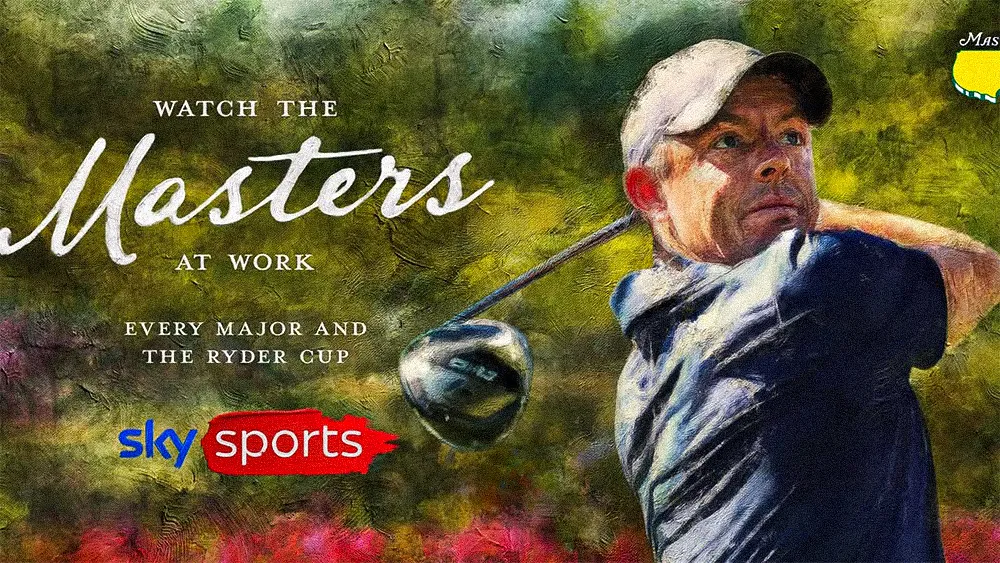
Art meets the azaleas: Sky Sports brought a different kind of craftsmanship to the tournament with its Masters at Work campaign, which portrayed golfers Rory McIlroy, Shane Lowry, and Bryson DeChambeau as classical oil paintings. The creative ran across a mix of traditional and digital OOH formats, including bus shelters and animated displays in high-traffic retail environments, with a deliberate focus on placements near golf clubs. Campaign research indicated those formats over-indexed with the golf viewing audience by more than 50%. The concept drew a deliberate parallel between athletic precision and artistic mastery, giving the work a tone that felt native to the tournament's cultural stature.
The Masters may be golf's crown jewel, but the data behind it points to something much bigger. The same dynamics that make Augusta a prime OOH environment (concentrated audiences, high dwell time, and real-world spending) are about to play out at a global scale as the sports calendar builds toward its most anticipated stretch of the year.
Billboards that drive action: Augusta's impact isn't an outlier. One study shows roughly six in ten U.S. adults can recall recently encountering an OOH ad tied to a major sporting event. Of those who noticed one, nine in ten followed up with some kind of action, whether that was engaging on social media, bringing it up in conversation, or tuning in to watch. Among those who went on to attend a game, virtually all reported spending money in the host city on hotels, restaurants, or transportation. The research also highlighted what makes sports OOH creative stick: humor, athlete appearances, and practical details like schedules and ticket information consistently drove the highest engagement. OOH appears to work best in these environments when it serves as both a cultural prompt and a functional resource.
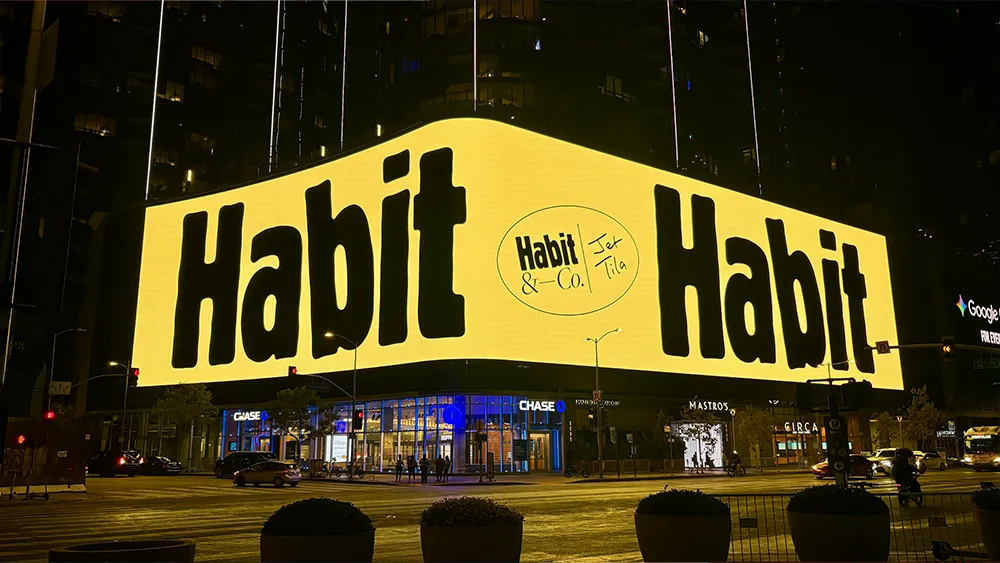
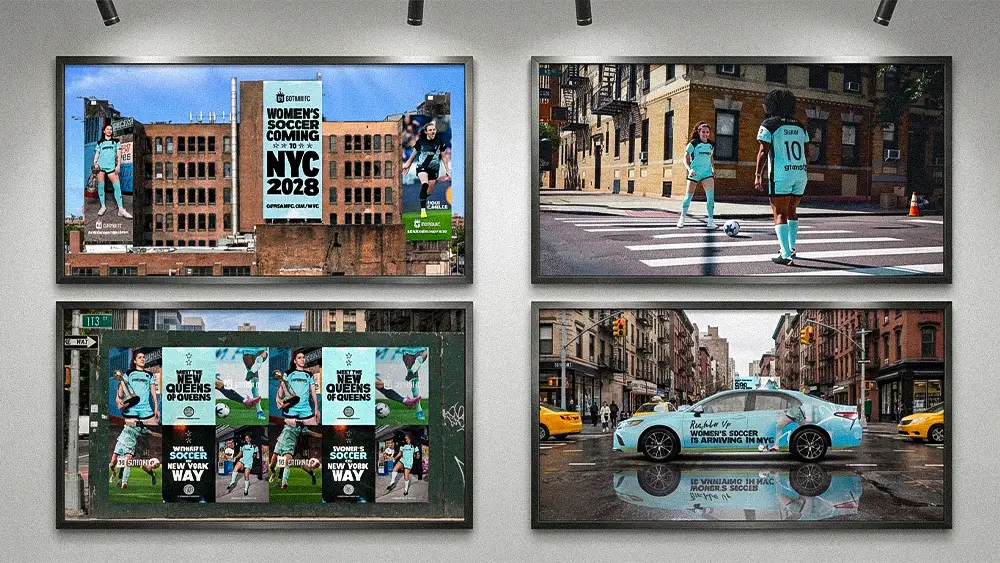
World Cup warm-up: In the same study, close to two-thirds of U.S. adults expressed interest in seeing OOH campaigns connected to the 2026 FIFA World Cup, and an overwhelming majority of those said they'd follow up by researching the event, discussing it with others, or engaging on social platforms. With millions of fans projected to attend matches across the United States, Canada, and Mexico, the tournament is shaping up to be the largest OOH activation opportunity in recent memory. Advertisers are already preparing with digital displays, transit campaigns, fan-zone installations, and creative built to update dynamically with live scores and match results. Meanwhile, the golf sponsorship market continues to grow (projected to nearly double by 2032) and brands like Blackstone, Teneo, and VistaJet all locked in athlete partnerships ahead of this year's Masters, reinforcing that financial and B2B advertisers increasingly view marquee sporting events as long-term brand investments.
The through line from Augusta to the World Cup is clear. Major sporting events create concentrated, high-intent audiences in physical spaces and the data consistently shows that OOH captures that attention in ways that drive action beyond the stadium. With the biggest stretch of the 2026 sports calendar still ahead, the playbook from Masters week offers a head start: know the audience, pick the right formats, and build creative that earns the moment.