Vancity Is Making Community Presence The Centerpiece Of Its Brand Transformation
Gurpreet Jhaj, Vice President of Marketing at Vancity, is treating rebranding as an infrastructure project, pairing a new identity with product, technology, and experience upgrades.
Make brandbeat one of your go-to sources on Google

Whether it's our SkyTrain wraps or whether it's a transit shelter or a bus that's going by, they are very much contextual. We really do want to lean into being present in our communities.

Gurpreet Jhaj
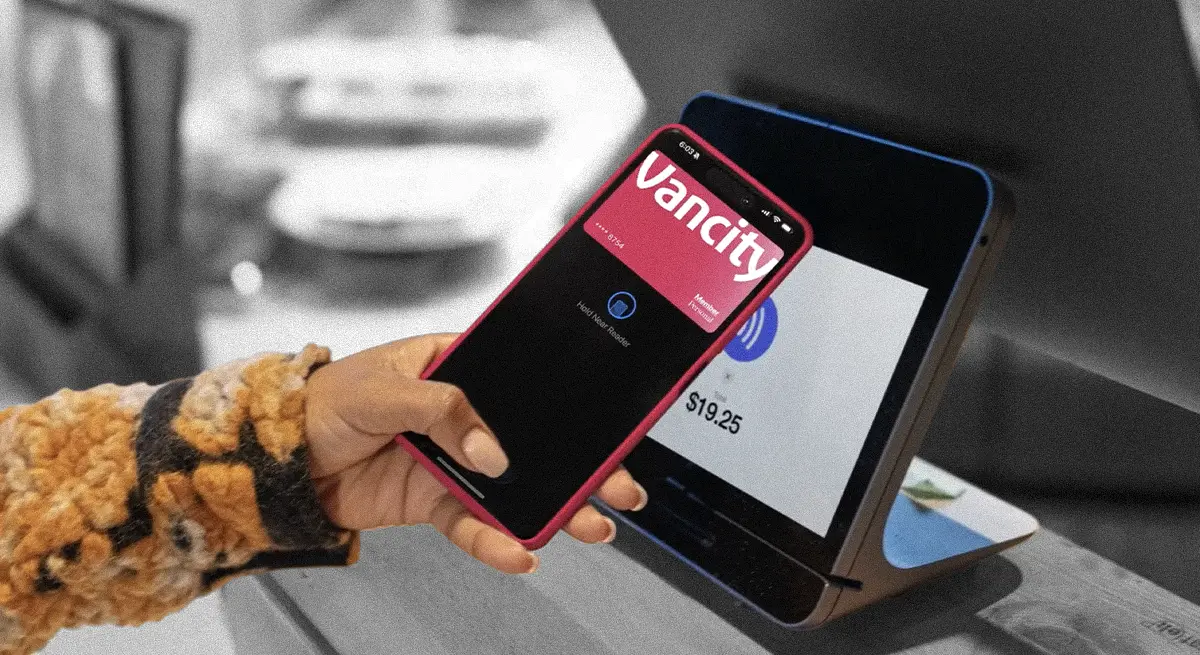
Rebranding an 80-year-old institution is not a weekend project. Vancity treated its recent brand identity work as a structural overhaul, undertaken at a moment when higher living costs and tighter household budgets have raised the stakes for anyone managing money. The British Columbia-based credit union paired a new visual system with a completely rebuilt digital banking platform, a comprehensive site relaunch, and an updated mortgage lineup built for today's non-traditional earners. Across every layer of the experience, the work reads as a full infrastructure rebuild rather than a cosmetic update.
Gurpreet Jhaj, Vice President of Marketing at Vancity, leads the credit union's 2026 rebrand rollout with a perspective shaped by cross-industry work outside traditional finance. Before joining Vancity, she oversaw consumer marketing for both BCAA and Evo Car Share. For her, translating an eight-decade legacy into a modern context meant first understanding how macroeconomic realities land in members' daily lives, then reflecting those constraints across both the messaging and the underwriting itself.
"Whether it's our SkyTrain wraps or whether it's a transit shelter or a bus that's going by, they are very much contextual. Because we are a BC-based brand, we really do want to lean into being present in our communities," says Jhaj. Before any of that physical presence took shape, the team spent 18 months on inclusive listening. Vancity treated the rebrand as an enterprise-wide initiative, conducting extensive testing and resonance work with British Columbia residents, members, and BIPOC, neurodivergent, and disabled communities to confirm the new articulation matched their actual lives. The pace reflects a growing consensus among brand leaders that meaningful brand evolution requires going beyond a visual refresh.
Backing the brand promise
Underpinning the rebrand is an emotional read on what financial services actually feel like for members right now. Rising everyday costs are weighing on people across British Columbia, and member research kept surfacing a consistent wish: an institution that would "have their back." Jhaj says the campaign leaned into a kind of grounded optimism in response, anchored in the belief that the tools of finance can genuinely support people through tough economic stretches. "We wanted to make sure that we could build a brand where people in this current climate could feel that they had somewhere to go and they had a sense of belonging," notes Jhaj.
A brand promise of that weight only holds up when the right products and services are already in place. Vancity sequenced the rollout to follow its major operational upgrades, making sure the digital and physical branch experiences were ready before the new brand reached the market at scale. The work also extended deep into product design, with the new Flexpath Mortgage built for self-employed and commission-based buyers and the long-standing Mixer Mortgage giving friends or family a structured way to pool resources toward a home. "It's really important for us to back up what we are doing and saying with actually the goods," says Jhaj.
From bus shelter to belonging
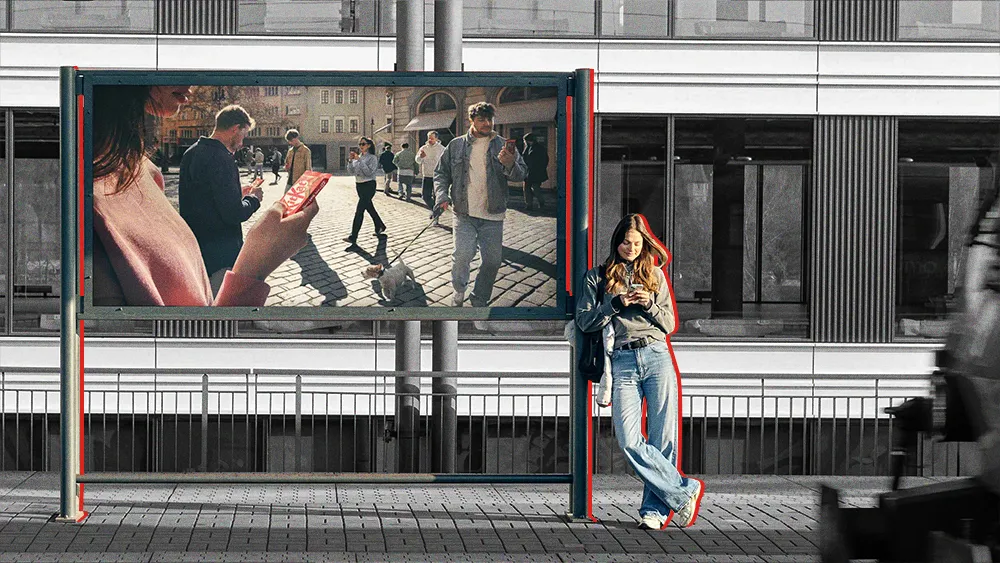
With the internal infrastructure in place, the campaign moved to the streets. Vancity's current creative work treats the built environment of British Columbia as a primary media channel, embedding hyper-localized OOH into members' daily routes so transit advertising functions as a contextual reminder of the credit union's presence in the community. The team layers that visibility with appearances at Pride, Car Free Days, and other local experiential activations, with event selection filtered through Vancity's commitment to return 30% of its profits to community causes including climate action, local small businesses, and the Indigenous economy. The result is a brand that appears in members' lives at points of daily encounter, from the morning commute to the weekend block party.
As the credit union marks its 80th anniversary, that community-first approach is showing up in real engagement numbers. Nearly 1,000 members attended Vancity's recent annual general meeting in person, an unusually large turnout for a financial institution and one Jhaj attributes to the deeper trust the rebrand was designed to earn. The modernized infrastructure is only the starting point for what the credit union has planned through the rest of the anniversary year. "Watch this space. We've got a lot coming up over the course of this year that's really going to build on that momentum," she concludes.