Burger King President Turns Viral Phone Experiment Into A Nationwide Customer Collab
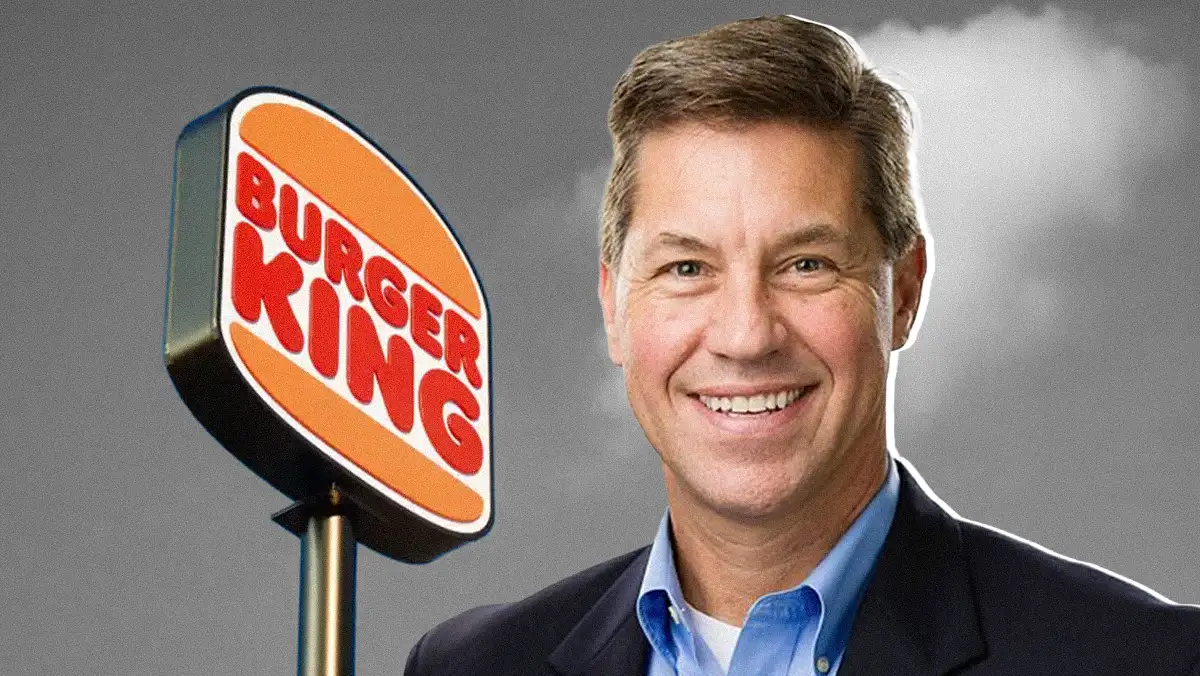
Tom Curtis, President of Burger King for the US and Canada, is turning thousands of customer calls into real-time feedback for the brand.
Make brandbeat one of your go-to sources on Google

When someone says, 'You’re not going to believe who I talked to today,' that becomes part of how you build the brand.
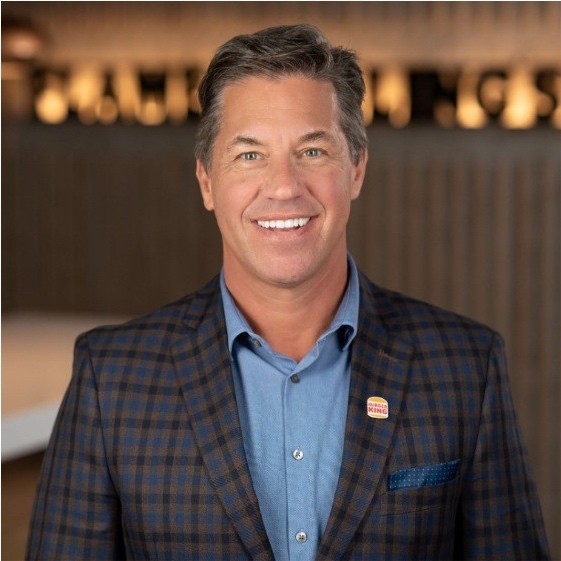
Tom Curtis
Burger King is trying something most big brands would never dream of: sharing the president’s phone number and inviting customers to call. The response was immediate and massive, generating more than 35,000 calls and texts, and making backup promotional plans unnecessary almost overnight. Instead of leaning on traditional marketing tactics, the program took off organically when customers realized they could actually reach someone at the top of the company. Many callers are so shocked when a real person answers that they spend a few minutes double-checking they aren’t talking to AI. It’s a reminder that sometimes a simple, human idea can build the kind of connection brands usually chase with huge campaigns.
Answering the calls is Tom Curtis, President of Burger King for the US and Canada. A longtime quick-service veteran himself, Curtis previously spent years climbing the leadership ladder at Domino’s, ultimately landing as Executive Vice President of US Operations and Support. Even with that background, he often describes his career with humility, joking that he "went to bed a pizza delivery guy and woke up the president of Burger King." It’s this mindset that informs how he leads: the most meaningful insights rarely come from inside the business, they come from the people ordering the food.
"Every time you talk to a guest, you’re not just talking to one person. You’re talking to their family and their friends. When someone says, ‘You’re not going to believe who I talked to today,’ that becomes part of how you build the brand," says Curtis. In an era when customers are wary of corporate messaging, that kind of direct access stands out. The surprise has sparked viral social media moments, but Curtis says the real value comes from the dialogue itself, especially when guests offer blunt or negative feedback. Those conversations help reinforce Burger King’s effort to show up as a brand that listens first.
Flipping burgers: Curtis’s "organic listening" habit revealed a consistent message from former customers: they still loved the Whopper, they just hadn’t had one in years. That insight kicked off a series of subtle upgrades, including a new bun and improved packaging, aimed at refining the experience without changing the burger’s core appeal. Early feedback suggests the updates are working, with returning guests saying the new version feels closer to the Whopper they remember from the '90s. "The Whopper is our iconic product. And, boy, it can get you in trouble if you really alienate people who love your product," notes Curtis. "So we had to make very nuanced changes to elevate the Whopper. They really honor the flavor profile."
Order up, problem solved: The real value of the program shows up in how quickly issues can be addressed. On a single night of calls, Curtis relayed praise to a standout employee in Texas and escalated a complaint about service at a restaurant in Florida. "I got a call from a customer in Palm Coast, Florida," he recounts. "We were on the phone with the owner within 15 minutes, and he committed to being in the restaurant the next day to get things straightened out. We gave the customer a gift card and asked her to go back in four days."
Follow the leader: Beyond the menu, the listening strategy is accelerating the company’s operational response and prompting a cultural shift. The response system is now spreading organically, with franchisees and team leaders adopting the practice by example and creating what Curtis called an internal "wildfire." To make the model sustainable, his entire leadership team of eight people has joined the effort, each taking around 20 calls a day. "You have to model the behavior you want to see. By sharing the experience I've had talking to guests, our franchisees have taken the ball and run with it. They're posting their own phone numbers in restaurants now. That's the way you get people to buy into it."
The impact of the campaign extends beyond viral attention. By inviting customers into the conversation, the initiative is fostering a sense of participation that turns feedback into collaboration. In an industry often defined by constant menu innovation and price competition, Burger King is differentiating itself by reinforcing a more human brand identity, one grounded in humility and openness to criticism. "Any brand needs to translate its ethos through whatever efforts it takes to humanize itself," Curtis concludes. "We had a guest call in to say they hated the new apple pie and that we should bring back the old one. The team member who invented the new pie read the feedback, and it made him sad because it was his idea. But we're okay with that."