Marketing Moves to Watch: A Fast-Food Meme War, A Production Push, and Audio-First Advertising
A viral fast-food moment, a strategic agency hire, and a digital audio experiment show how brands and agencies are adapting to culture, production demands, and new media channels.
Make brandbeat one of your go-to sources on Google


From a burger launch-turned-global meme to agency leadership shifts and new ways to target audiences through digital audio, the marketing world continues to evolve at high speed. These three stories highlight how brands and agencies are experimenting with culture, creativity, and technology to reach consumers.
CAMPAIGN NEWS
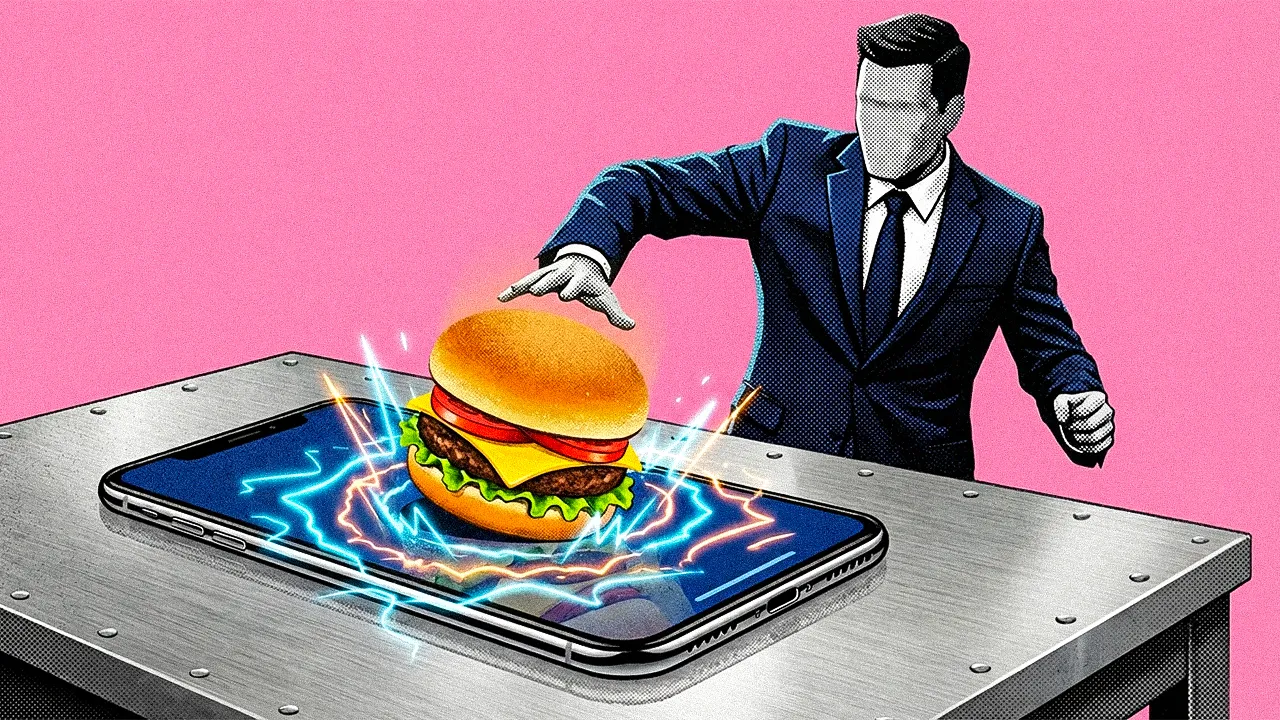
Battle of the burgers: What started as a routine product post from McDonald’s CEO Chris Kempczinski quickly turned into an internet-wide burger showdown. After Kempczinski shared a video introducing the new Big Arch burger, Irish comedian Garron Noone stitched the clip on TikTok, sparking millions of views and a wave of parodies from creators. Soon other fast-food brands joined the conversation, including Burger King U.S. president Tom Curtis, who posted his own sauce-covered Whopper response, followed by similar posts from Wendy’s and A&W. What began as a standard product launch quickly became a global social media moment, without a single dollar of paid media.
Behind the headlines: The episode demonstrates how cultural moments increasingly originate from creators rather than brands themselves. In today’s social ecosystem, the person who spots the meme-worthy moment often has more influence over a brand’s narrative than the brand does. For marketers and advertisers, the lesson here is that cultural fluency and speed can sometimes generate more attention than traditional media spend.
AGENCY MOVES
Production up front: Independent creative agency Rethink is doubling down on production by appointing Jon Legere as its first chief production officer. Legere previously spent 14 years at Anomaly, where he built the agency’s in-house production arm, Unreasonable Studios. At Rethink, he’ll scale production capabilities across advertising, PR, and design, working alongside global COO Caleb Goodman. The move signals a shift toward embedding production earlier in the creative process rather than treating it as a downstream execution step.
Behind the headlines: Agencies are increasingly rethinking where production sits in the creative workflow. As content demands grow across social, streaming, and emerging formats, production has become a strategic capability rather than a back-end service. For brands, agencies that integrate production earlier in the process may be better positioned to move quickly and deliver ideas across multiple platforms.
AD TECH
The audio advantage: Retailer Men’s Wearhouse experimented with a campaign that ran entirely on digital audio platforms, including Spotify, Pandora, iHeart, and Acast. Working with media and measurement partner Ovative Group and activating through The Trade Desk’s Kokai platform, the brand used first-party data, look-alike modeling, and marketing mix modeling to build and optimize audiences. The campaign ultimately drove a 16% increase in sales among exposed audiences while reaching many consumers who hadn’t previously been targeted by Men’s Wearhouse marketing.
Behind the headlines: The case highlights how digital audio is evolving from a branding channel into a measurable performance environment. With tools like marketing mix modeling, identity data from partners like LiveRamp, and AI-driven targeting from platforms like The Trade Desk, advertisers can now connect audio exposure to both online and in-store outcomes. That’s turning podcasts and music streaming into increasingly attractive channels for reaching audiences during moments when other formats can’t, like commuting, gaming, or household activities.