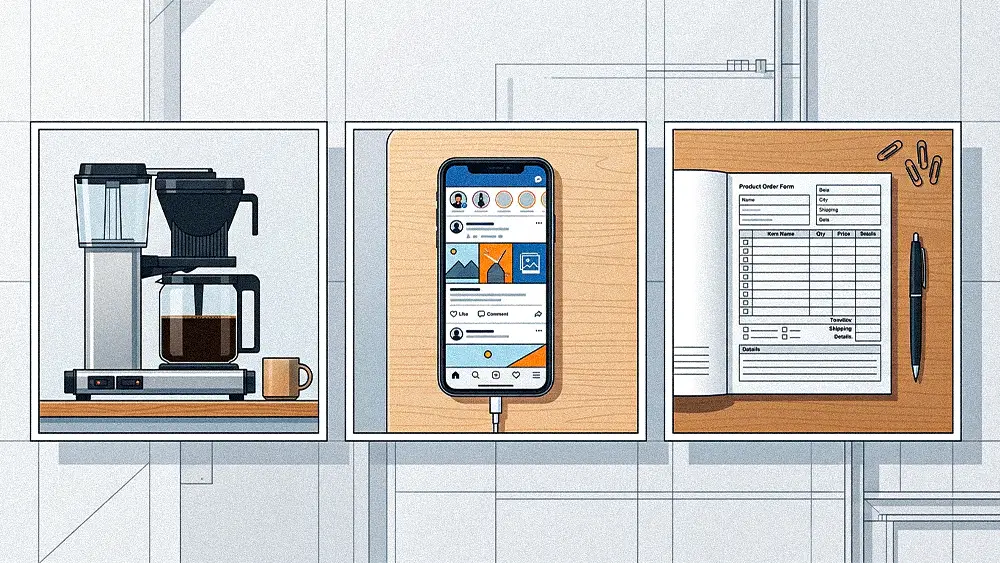
We do not need brand managers today. We need brand collaborators. Brand management is about control, while brand collaboration is about growing together.
 Dheeraj SinhaCEO @ McCann India
Standard product differentiation is losing its ability to move consumer behavior. The attention economy has matured, generative tools have accelerated content production to the point of saturation, and the average consumer's morning routine is built around the weather, the coffee, and the kids getting to school rather than any active comparison of toothpaste brands. The brands earning real attention now build a natural presence inside those routines, which is fundamentally different work from broadcasting product claims.
Dheeraj Sinha, CEO of McCann India, is currently leading the massive post-acquisition integration of DDB, FCB, and McCann for Omnicom across the region. He serves as President of the Advertising Club of India and has won more than 25 Cannes Lions, including two Grand Prix, over a career spent transforming global agency networks into top-ranked creative operations. His view on the next phase of advertising is that traditional brand control is giving way to active collaboration with the culture, communities, and creators shaping how consumers experience a brand.
"We do not need brand managers today. We need brand collaborators. Brand management is about control, while brand collaboration is about growing together," says Sinha. Giving up a degree of control is a prerequisite for building trust, and different categories operate with different trust thresholds. A financial institution needs a substantial reserve of consumer trust to hold onto someone's money. A social media brand can earn a meaningful position with twenty seconds of attention. The variable threshold has compressed the old assumption that brand loyalty takes a decade to build, and modern disruptors like Netflix and Uber earn lasting consumer positions by showing up frequently and relevantly across that shortened cycle.
Systemic solutions and honest storytelling
Sinha's read on the trust spectrum is that AI-generated content works for functional mid- and lower-funnel creative, while the emotional brand-building work that requires taste and empathy still needs a human hand. As generative tools become a boardroom priority, brands are relying on their agencies as navigators and custodians of the technology, which requires a different capability set from pure execution. "Trust is a scale. It's about what story you are telling about the brand to the people," Sinha says. "A large part of our usage of AI currently in our work is for the mid-funnel, bottom-funnel work, but where you're building brand, where you're curating taste, where you're shifting emotions, a large part of that is still humanly created."
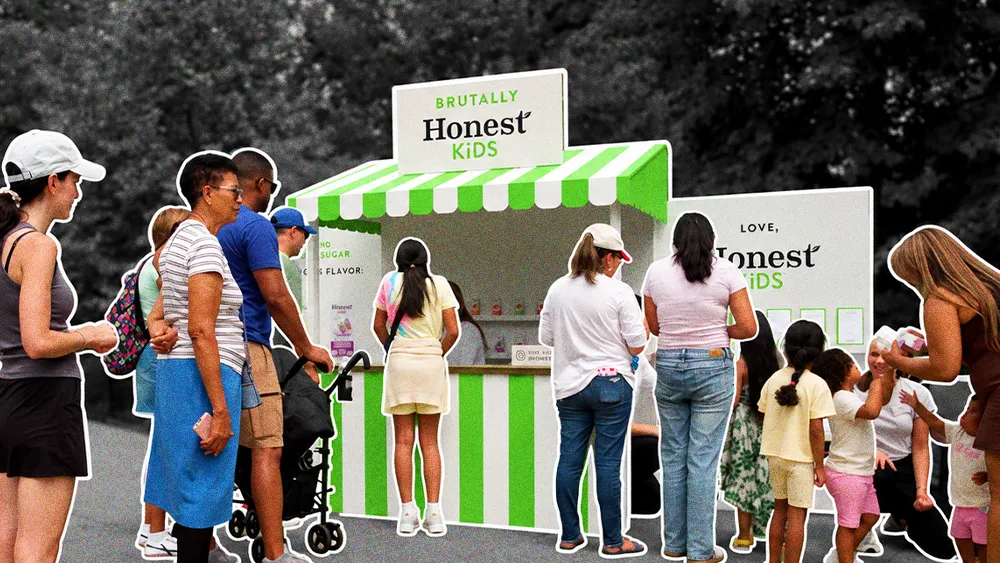
The work that resonated the hardest at Cannes reflects the same principle in a different form. Sinha points to Heineken's initiative protecting independent UK pubs from institutional networks as an example of a brand building a system that solves a specific cultural problem at the community level, and to the Dove Real Reviews campaign as an act of consumer-facing transparency that operates from a different angle. "Ideas which were systemic solutions to problems and ideas which had humanity and a bit of creativity at the core, stood out," Sinha notes. "For example, when Dove Real Reviews started with Reddit, they took all the honest reviews of their products and put it on an order form. There's a bit of bravery there. At the emotional level, it connects with you because you're coming to the consumer with a degree of honesty."
Native orchestration across the journey
The organizational change Sinha champions requires agencies and brands to build muscle in creator partnerships, IP development, and platform thinking, abandoning the older mindset that treated brand as a walled garden. IKEA sliding into consumer DMs is one recent example of platform-native participation replacing broadcast messaging, part of the same pattern driving leaders to build fluid creative engines inside their agencies. "It's no longer about what I want to say, it's about how I'm engaging people into conversations," Sinha explains. "It needs the industry to have muscles into the creator economy, into platform thinking. It needs the industry to have muscles in IP creation and in being open to collaboration, rather than being obsessed about the messaging that I want to send."
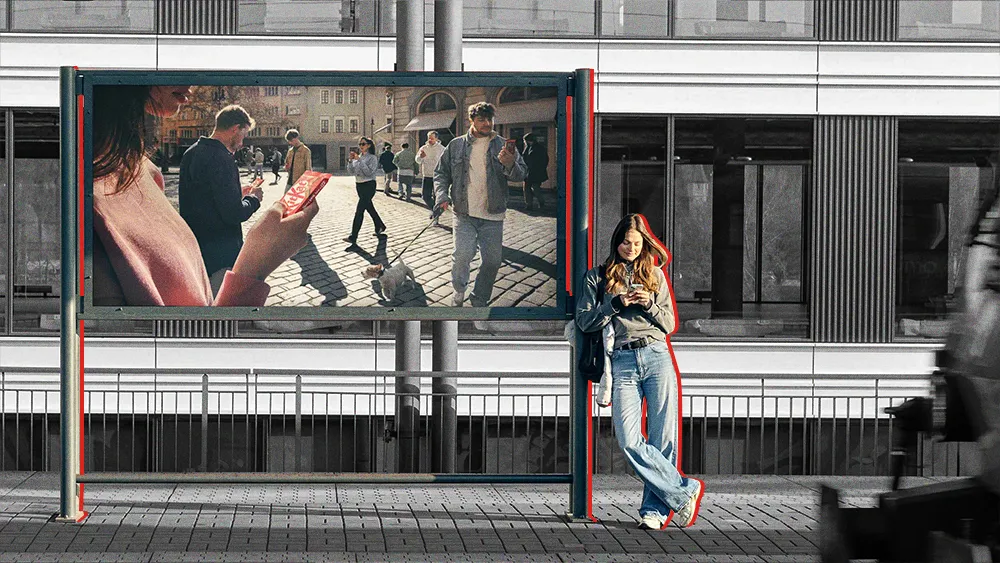
This collaborative model also reshapes media strategy. The model Sinha proposes is native orchestration: the same brand narrative shows up differently on Instagram, on out-of-home, on podcasts, in Reddit threads, in DMs, and on the AI-driven CTV formats that are consolidating across streaming, each adapted to the moment in the customer's day it enters. The platform-native approach treats the consumer journey as the strategy itself, moving with the customer from a morning Instagram scroll to an evening CTV session without asking them to pay attention in the same way twice. "Strategy needs to map the consumer journey very accurately," Sinha concludes. "How are you showing up in a platform-native way in their life? Orchestration of the brand narrative in the life of the customer, and mapping of that life, therefore becomes very important."