Your relevance is based on the problems that you solve with your brand and the type of media that you buy.
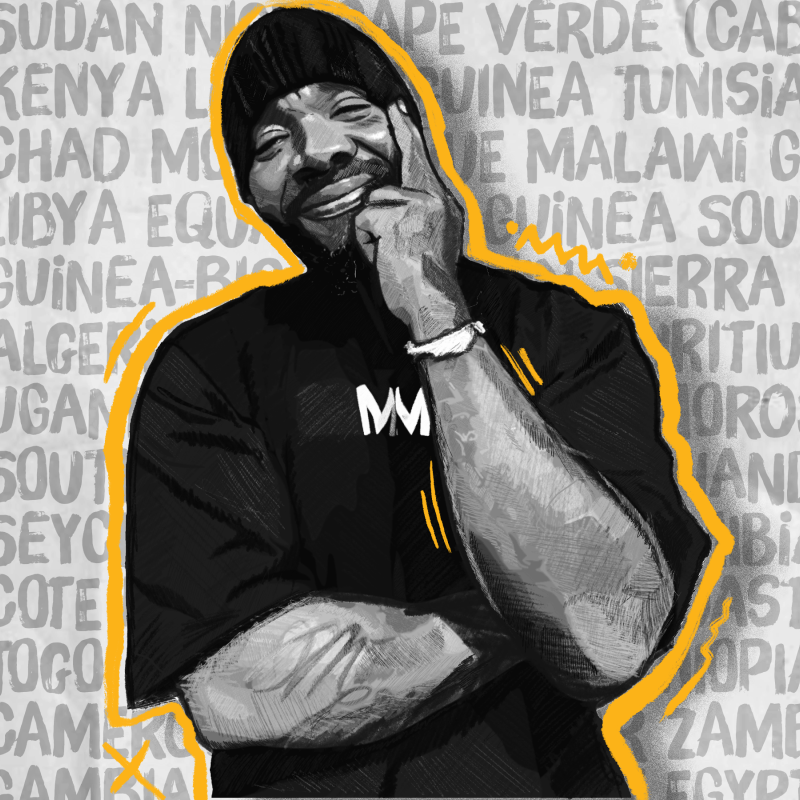 Kabelo KaleStrategic Lead and Head of Operations Africa @ The Media Krate
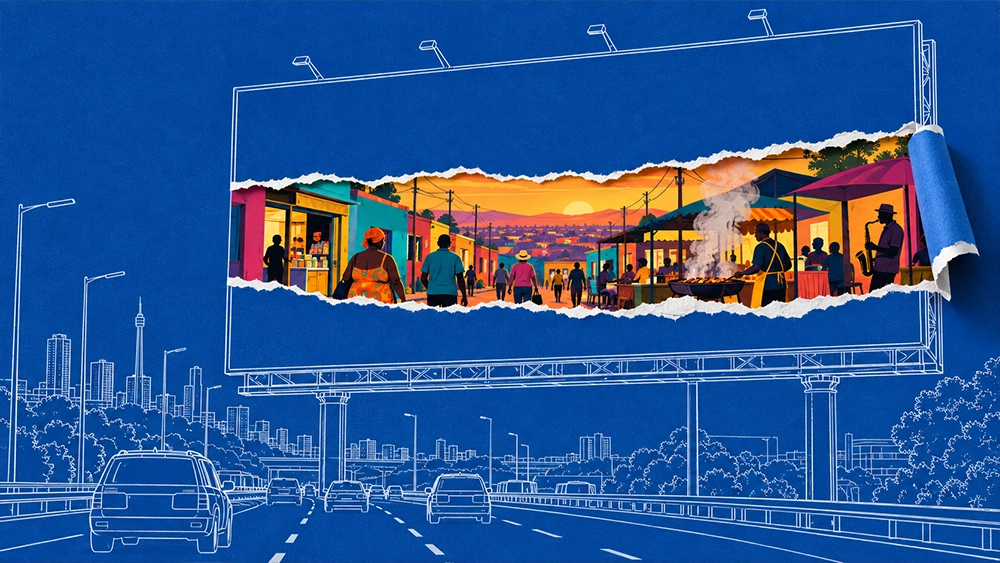
Every weekday morning, millions of South African commuters queue at township taxi ranks, waiting for minibuses that won't move until every seat is filled. Advertisers have long valued these ranks for the crowds moving through them, and the bigger opportunity belongs to the people standing still, who face the same wall every morning with time on their hands and needs a brand can meet.
Kabelo Kale is Strategic Lead and Head of Operations, Africa at The Media Krate, a Johannesburg-based township OOH specialist whose work ranges from hyper-realistic 3D murals to Wi-Fi-enabled walls across ten African markets. He’s a public voice on South Africa’s informal economy, and he studies a taxi rank the way an anthropologist studies a village before deciding where a brand belongs in it. His most widely read piece is 'Your Dashboard Is Lying to You: Why Brands Keep Missing the R1 Trillion Township Economy.' He believes a brand has to earn its place in a community space by serving the people who pass through it.
“Your relevance is based on the problems that you solve with your brand and the type of media that you buy,” Kale says.
Free Wi-Fi gives the wall a reason to stop
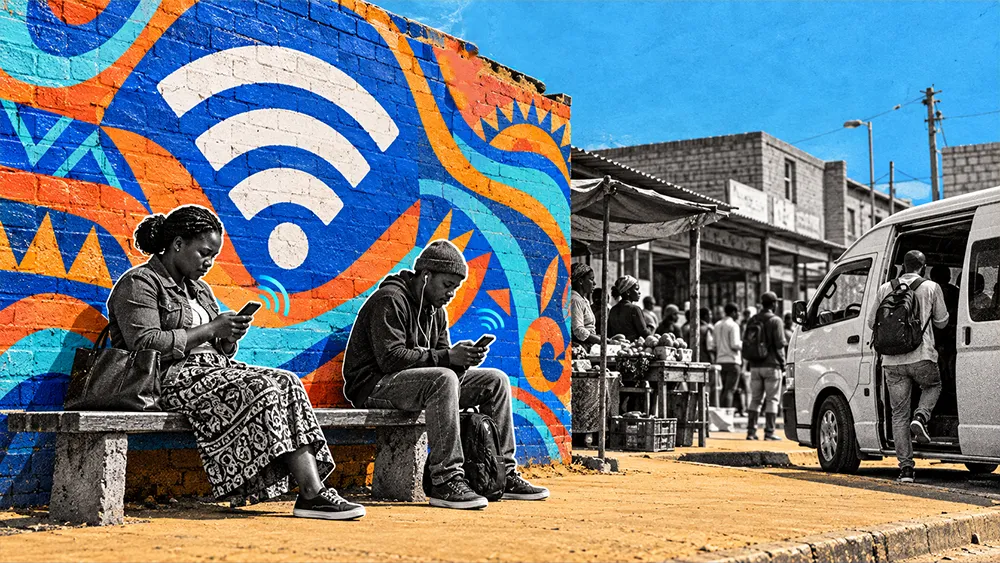
Mobile data is a large expense for many South African households, and the country’s data prices sit well above the continent’s cheapest markets despite its relative wealth. Kale sees that cost as an opening for brands willing to pay for access, and The Media Krate builds free Wi-Fi into its murals so the wall does something for the people standing beside it.
Commuters use the connection to apply for jobs and to stay in touch with family while they wait. Kale describes the offer as “what we call a digital help button” for people who can’t afford to stay online for long, and he sees the same signal carrying a township business much further. “Opportunity is local but exportable,” he says, and a reliable connection lets someone in a township hold a long call with a buyer or employer on another continent.
The rank already mixes phone screens and digital displays with street commerce, so Kale treats digital as part of the plan from the first sketch. The painted wall catches the eye on the walk in, and the connection gives commuters a practical reason to use the space while they wait.
Placement starts with local fieldwork
Kale calls his approach spatial out-of-home, or S-OOH, and it starts in the places media plans have mostly passed over. In his model the whole taxi rank becomes the medium, from the queue where commuters wait to the walls of the stalls where they shop. South Africa is where the idea took shape, and Kale already sees it traveling north into neighboring markets where The Media Krate works, such as Zimbabwe and Namibia.
Deciding where a hotspot or mural goes depends on knowing how people move through the rank, and Kale’s description of that knowledge sounds closer to fieldwork than to media planning. “You need to understand the pressure points in that ecosystem and be a pleasure point that’s consistent with their daily movements,” he says.
A rank can shift its habits between one season and the next, as routes change and new stalls open, and Kale sees that churn as the reason a plan built from a distance goes stale so quickly. Brands that put real time in the market keep up with it. “What you know this morning might not be true tomorrow,” he points out.
Helpful brands still have limits
The danger with a useful brand is that usefulness starts to feel like permission. A free hotspot earns a brand its place at the rank, and the temptation that follows is to keep adding logos until the hotspot is the smallest thing the brand offers there. Kale measures presence the other way around, starting from what the brand contributes to the people at the rank. “People start identifying you by the solutions you bring into their lives,” he says. “The dashboard could say one thing.” A wall can post strong numbers while the commuters in front of it decide the brand isn’t for them, and Kale trusts what happens at the rank over what shows up in the report.
Brand presence in these spaces works like an invitation that’s earned, and The Media Krate builds part of that exchange into its business model. The company says it rents wall space from township residents and commissions local artists to paint the murals. The arrangement gives participating property owners and artists a direct financial stake in the campaign.
The Media Krate says it pairs Wi-Fi connection data with on-the-ground counts of how much product leaves nearby spaza shops once a wall goes up. Those figures can show a hotspot getting used and a shelf emptying. The standing Kale cares about takes longer to form, and it belongs with the campaigns that pay off later, long after the launch report has been filed.
Local ideas are going global
For decades, Kale explains, trends flowed from the US and Europe into African markets, and imported products and media carried an aspirational premium simply because they came from elsewhere. He sees that flow reversing, with the people who know these neighborhoods best now setting the terms. “It is now the local media experts’ time to shine,” he says, “to get into the light and show what they are made of.”
The same confidence is changing how local work travels abroad. “It is now quite fashionable to export what comes out of your very environment,” Kale argues. “Africa has now become premium.” For brands that want to stand out across several countries, the township model starts with the habits of one specific place and chooses the format afterward.
The placement Kale is after looks like a commuter at the rank after work, hitting send on a job application over the brand’s free Wi-Fi while the last seats in the minibus fill. On a dashboard, that commuter is a single impression, counted on the way in.