Brands Are the 'Plus-One' In Creator Communities. Edelman's Head of Creator Marketing Says the Invitation Has to Be Earned.
Edelman's Tyler Vaught on why brands can no longer borrow a creator's audience, and what they have to bring to win a lasting role inside communities they will never control.
Make brandbeat one of your go-to sources on Google

The brand is the plus-one, not the creator. The brand needs to provide value that warrants them getting invited back.

Tyler Vaught
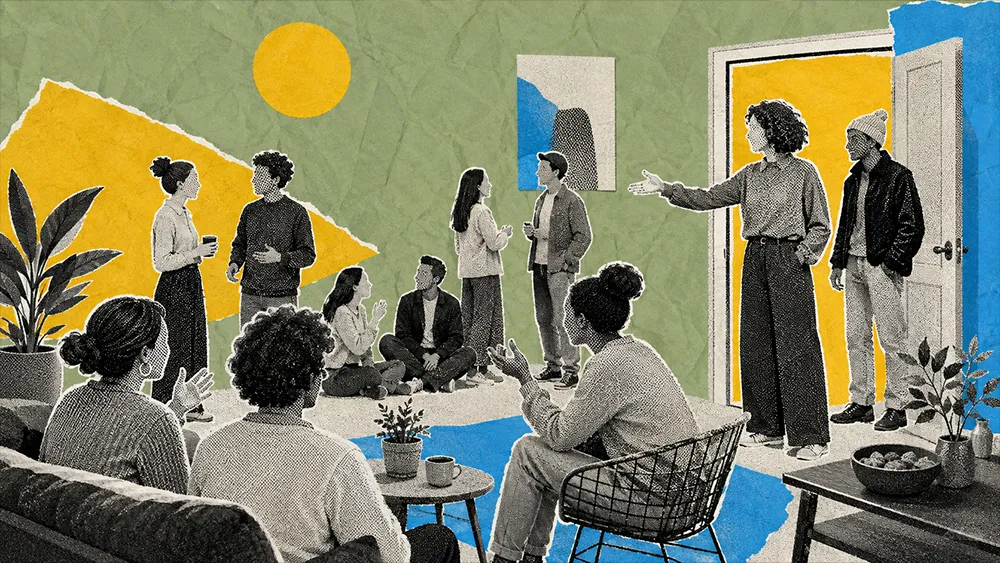
When a brand partners with a creator, it walks into a room it doesn't own and hasn't earned. The audience comes for the person who built the room, and the hard-won trust that fills it belongs to that person too. A brand that forgets this tends to find out, fast, how little authority its logo carries once it steps inside.
Tyler Vaught, Global Head of Creator Marketing at Edelman, has spent years watching that dynamic sharpen as audiences migrate from open feeds into spaces creators fully control, from Discords to paid newsletters to membership communities. His work runs through Twitter, PlayStation, and EA Sports, and every stop taught him the same thing about creator partnerships: the brand shows up as a guest or it does not show up well. "The brand is the plus-one, not the creator," he says. "The brand needs to provide value that warrants them getting invited back."
The creater owns the room
For a long stretch, the brand held the leverage in any creator deal. It brought the budget, so it wrote the brief, set the creative wrapper, and expected the creator to translate its message into something palatable. Vaught watches that arrangement invert as the most valuable audiences gather in spaces the creator, not the platform, sets the rules for. "The brand is no longer the strongest entity for the most part or the most equitable entity in that community," he says. "The community is there because they follow the creator and because there's some level of trust that exists there, and the brand is a guest."
The instinct to cling to a brief comes from a fear of losing control, and surrendering it is what unlocks the partnership. Vaught's fix is to change who writes the plan. Instead of arriving with a finished brief and asking the creator to voice it, the brand should arrive with a goal and build the brief together. "It's their space, it's their community. They know more than I do how to get a reaction or what the reaction would be from that community," he says. "So let's just work together on it."
He watches co-creation get abused as a buzzword often enough that its meaning has thinned, and the version he describes asks more of a brand than the one it usually reaches for. "Handing a creator a pre-written brief and asking them to add their voice is still just telling them what to do," he says. Do the real thing and the creator stops functioning as a distribution channel and starts functioning as a strategist, often steering a campaign toward a format the brand would never have found on its own. That is where the most relevant partnerships come from.
Paying for access
The question sharpens the moment a community closes its doors. A creator's private Discord or paid newsletter asks something of the people inside that a public feed never does, whether that's a subscription fee or simply the deliberate act of seeking the room out and being let in. Either way, membership is a choice the audience made on purpose, and a brand asking to enter is stepping into a relationship in which the members have already invested. "Paying the creator no longer clears the bar, because the members paid too," is the reality Vaught lays out. They expect the brand's presence to hand them something they could not get on their own.
What that something looks like is exclusivity the community could not manufacture itself. Vaught describes the ideal as a kind of pay-per-view logic, where the brand underwrites access that feels genuinely privileged. A creator covering automotive news for premium subscribers might use a brand partnership to land the first interview with a car's designers, giving that private community a first look before any public rollout. "Every product has that level of behind closed doors or access or additive value that they maybe take for granted," he says. Insert a brand into a paid ecosystem and it has to give the creator the means to do something they could not have done alone.
Entering these rooms means giving up the machinery brands lean on everywhere else. Creator-owned channels surrender the surgical targeting and benchmark data that Meta and TikTok offer, since a newsletter subscriber often hands over nothing more than an email address. What a brand gets in exchange is a smaller relationship that runs far deeper. "I've got a hundred thousand followers on Instagram, but post something and only three percent of them see it," Vaught says, describing the creator's pitch. "A hundred thousand newsletter subscribers and fifty percent of them open my email every week." The trade is less reach a brand can measure for more attention it can trust, and Vaught's fix for marketers still hesitant to make it is almost embarrassingly direct. Anyone who wants to understand these rooms should join them, subscribing to the newsletters and sitting in the Discords to feel the experience firsthand before trying to buy their way in.
The onus on the brand
Access starts with not breaking the thing you came for. A brand whose values clash with the community should never have been in the room, and the vetting runs both ways, since an experienced creator screens brands as carefully as brands screen creators. Get that wrong and the backlash lands on everyone. The posture matters as much as the fit. A brand that walks in certain it understands the space better than the people who live there reads like the Steve Buscemi "how do you do, fellow kids" meme, and audiences catch it instantly. Curiosity is the price of a warm reception, and Vaught prefers to frame the creator as an advisor rather than an ambassador, a word that only points one direction. The creator brings knowledge the brand lacks and translates the brand's message into something the audience will receive on its own terms, and the brand has to let them do it their way.
Some things a brand needs its audience to hear will only land coming from someone else. Vaught calls that permission space, and it is where the real leverage hides. A creator can raise subjects in their community that a brand would sound clumsy or cynical attempting, because the audience already grants the creator the standing to say them. He points to Grüns, the greens gummy brand, where one of the strongest use cases to emerge was people on GLP-1 medications reaching for the gummies to help with digestion. The brand could not raise that directly without the message curdling, so it turned to creators who already spoke about the topic openly with their audiences. "That idea of a permission space to say something that needs to be said or that the brand would like to say, a lot of times you can't say it," Vaught says. "The creator can, in their community." The brand gains entry to conversations it has no credible way to start alone, which is a different thing from renting a loyal audience, and a far more useful one.
Earn that permission and the relationship stops being a placement and starts being a platform the brand can build on. The trust a creator holds inside a community becomes something a brand can extend beyond the screen, and done well, that extension pays the community back rather than just the brand. A billboard or a transit takeover built around a creator the members already follow lands with them as recognition, a signal that the room they chose to join has broken into public view, the first look they got in private now made visible to the city. That is the same out-of-home logic of giving the most committed audience something before anyone else gets it, carried from the inbox to the street. It works only because the community relationship came first.
The brands that thrive in these rooms understand the fee only gets them through the door. Staying is a thing they have to keep earning.