Inside Covered California’s Long Game In A Category Built On Short-Term Conversions
Glenn Oyoung, Chief Marketing Officer of Covered California, on pre-wiring trust before the moment of need, and why brand built on price alone breaks the moment policy shifts.
Make brandbeat one of your go-to sources on Google

"For our position in the industry, we have to play the long game and the short game, to be top of mind, but also be in the heart."
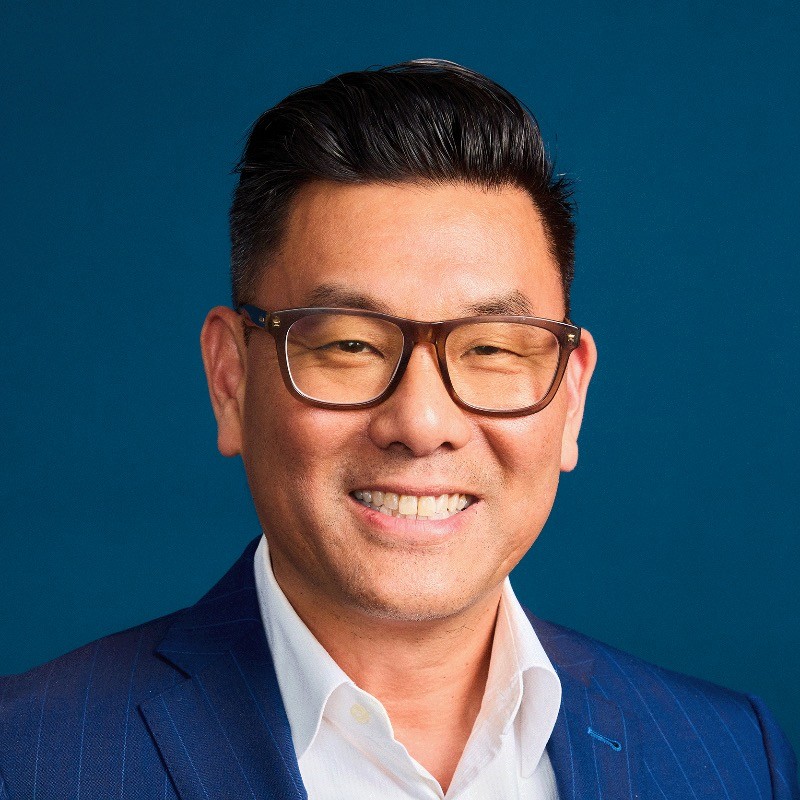
Glenn Oyoung
Health insurance sits at the intersection of two of the most distrusted institutions in American life: healthcare and government. Most people engage with it rarely, under stress, and already skeptical. The traditional playbook of running performance campaigns during open enrollment, and going dark the rest of the year, cannot solve a problem that compounds across years of low engagement and high emotional stakes. A brand has to earn its credibility every month of the year in places far removed from the enrollment funnel, or that credibility won't be there when someone finally needs it.
Glenn Oyoung is the Chief Marketing Officer of Covered California, the nation's largest state healthcare exchange. He joined in June 2024 after more than two decades in marketing, including senior brand and advertising roles at Kaiser Permanente, and now leads a team of marketers who developed For the Love of Californians, the organization's latest brand campaign. His central argument is that marketing in this category is fundamentally an organizational design problem. Trust is built through every interaction a member has with the organization, and a marketing team that ignores the service center, the agents, and the brokers, is building a campaign that the rest of the company will slowly unravel.
"For our position in the industry, we have to play the long game and the short game, to be top of mind, but also be in the heart," says Oyoung. The framing is deliberate: Covered California has narrow enrollment windows where the short-game pressure is real, but the audience it serves often will not need the exchange for years. A campaign optimized only for the next quarter cannot reach the people who will become customers in three.
Pre-wiring the moment of need
The structural problem in healthcare marketing is timing. People do not shop for health coverage the way they shop for sneakers. They engage when something forces them to, usually a job change, a move, or a medical event. By the time that moment arrives, the brand someone reaches for is the one already familiar enough to feel safe. The work that determines who gets reached for happens years before the search ever starts.
"About one in six Californians have used Covered California in their lifetimes. Unlike other healthcare coverage options, our enrollees didn’t always plan on needing us,” Oyoung says. The number reframes the marketing job entirely. The team is building name recognition with people who will not need the exchange for years, on the bet that when something does go wrong, "Covered California" is the phrase that comes to mind before any other option.
That is also why the team has stepped back from leaning on price alone as the primary message. The expiration of federal subsidies has made affordability a moving target for many consumers, and any brand built on a single functional lever is one policy change away from losing its core pitch. Building something more durable required a different starting point.
"It can be a mistake for brands to become internally driven by whatever their seasonality is and chase those short-term gains," Oyoung says. The same dynamic plays out across categories where strategic restraint has become a competitive advantage, with brands trading near-term performance for the kind of equity that holds up across cycles.
Research as the price of admission
Building a brand platform meant to last a decade required a research depth most marketing teams never reach. Covered California ran 21 focus groups across the state, more than five times its standard cadence, before any creative work began. The research was designed to surface what trust actually looks like inside the specific communities the exchange serves, with no campaign idea on the table waiting to be validated.
"We don't have the right to communicate until we've earned trust," Oyoung says. “For the communities we serve across the state, we need to first and foremost pull alongside them, show them we truly respect them and do our best to understand them. Only then can we set about marketing to them.” The principle is simple to state but operationally demanding. It rules out broadcast campaigns that are merely translated into other languages and called culturally relevant. It forces the team to start every conversation by asking what a community already believes, and where the real gaps in understanding lie.
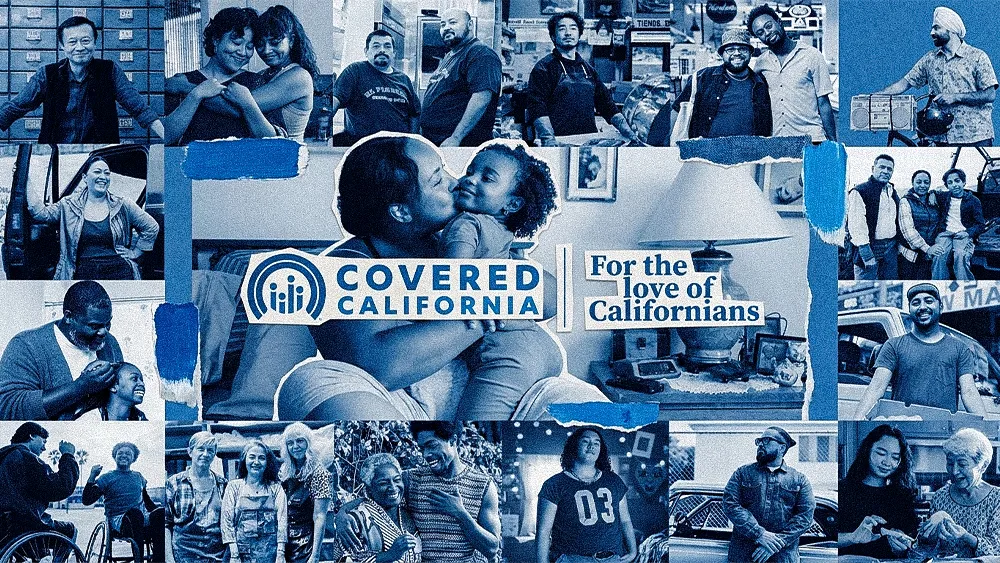
That orientation shaped the most distinctive choice in the For the Love of Californians platform. The team is telling stories from inside each community it serves with the creative starting point in the community itself. The campaign casts real Californians and runs in nine languages, treating every audience segment as its own source material.
"We are really leaning into showing up in culture first, not just translating or transcreating messages, but telling stories from within each community we serve," Oyoung explains. The approach mirrors what brands working in diverse markets are learning across categories: The approach mirrors what brands working in diverse markets are learning across categories. Audiences read translated work as transactional, but stories told from inside a community read as authentic. The hard work is paying off with record levels of engagement for the brand and growth in brand familiarity and consideration.
Showing up where people actually live
For an audience that actively avoids thinking about coverage, digital reach alone has limits. The team is investing in physical community presence and contextual out-of-home placements that meet people on their commute, in their neighborhoods, and at the gatherings they already attend. The strategy borrows from a broader trend across categories, in which community-anchored physical investment is outperforming pure-digital reach for brands that want to establish trust.
"We are a category no one wants to think about at all," Oyoung says. "So we're exploring anything we can do to get in front of them in a way that resonates, that's not scary, that's not preachy, that's not over-promising." The creative line is harder than it sounds. Healthcare marketing that comes across as alarmist drives the opposite of the intended response. People disengage harder.
The 90-second launch film, Declaration, was designed against that constraint. The piece focuses on whom Covered California serves, intentionally moving past feature-and-benefit messaging in favor of a creative platform anchored by a principle that’s remained the same since Covered California’s founding: No matter what changes may come, the brand will continue to be committed to its mission of connecting Californians to high-quality, affordable health insurance and improving their health outcomes.
The brand belongs to the whole organization
The most operationally consequential decision Oyoung describes has very little to do with creative output. Roughly half of Covered California members prefer to speak with a human when they interact with the exchange. That means the agents, brokers, and service center staff fielding those calls are doing more brand work than any campaign possibly could. A platform that lives in the paid media but breaks the moment a member picks up the phone is a platform that destroys trust faster than it builds it.
"We wanted to build a brand platform that could last for the next 10 years, and we couldn't do that without pulling in every part of the organization, because the brand belongs to everyone, not just marketing," Oyoung says. Service center leadership, certified enrollers, clinical staff, policy experts and others were brought into the strategy process from the beginning, with the explicit recognition that the brand promise is delivered through their work as much as through any ad.
That principle also reshapes how the team measures success. Setting enrollment records during open enrollment is the easy metric. The harder one is whether members actually use their coverage once they have it, and whether they trust the organization enough to come back the next year. Equity built across decade-long horizons shows up in retention, recommendation, and the next moment of need, and it almost never shows up on a quarterly dashboard.
"Are we helping you to understand and use your plan, not just to get covered?" Oyoung asks. The question is the test. A marketing team that answers it well is treating brand the way Covered California is starting to treat it, as a system the whole organization is building together.
The CMOs running this category in 2026 should pull a copy of their own 10-year brand platform and ask one question of every line in it. Does this hold up if the affordability story changes overnight, if the federal subsidy disappears, if a quarter of members switch plans, if the entire enrollment cycle gets compressed into 30 days? The answer is rarely yes, and the gap between yes and no is exactly the gap between brands that will still be in the conversation next year and those restarting from scratch.