How World Cup Brands Found Their Best Ideas In Fan Routines, And Why The Hottest 2030 Briefs Will Start Outside The Stadium
Jellyfish Strategy Director Matthieu Lamoureux on tarped logos, reactive campaigns and what brands can learn from the way World Cup fans behave.
Make brandbeat one of your go-to sources on Google

People wanted to have fun around the World Cup. All of the ads that were too serious or too flat were just perceived as being boring. They wanted something fun and unexpected, and they wanted brands to be reactive.

Matthieu Lamoureux
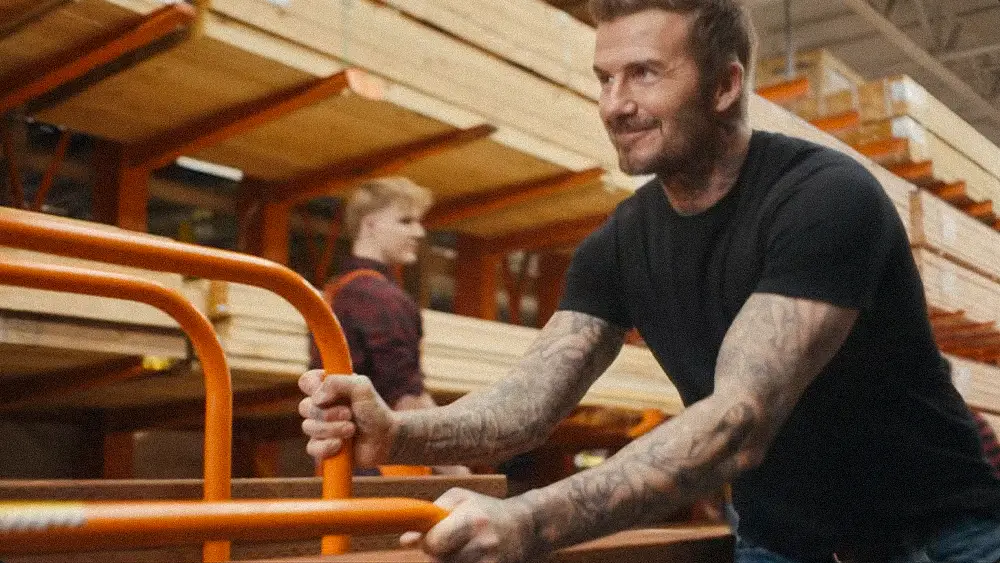
Over five weeks this summer, David Beckham fronted World Cup campaigns for eleven brands, selling everything from Lay's chips to Home Depot backyard projects. Meanwhile, in Santa Clara, Levi's landed one of the tournament's biggest brand moments with a white tarp. FIFA's clean-venue rules forced the company to hide its name at Levi's Stadium, so it draped its batwing logo in a sheet that kept the shape perfectly legible. Levi's then hung the same sheet over storefronts from Paris to Hong Kong, turning a sponsorship restriction into its biggest social media stunt on record and more than a billion impressions within weeks.
Matthieu Lamoureux spent the summer cataloguing celebrity-led campaigns alongside the reactive work that found its own way into the tournament, all from Amsterdam, where he's Strategy Director at Jellyfish. He also edits LLLLITL, the creative-industry blog where he tracked tournament ads as they landed, and he has judged work for The One Show and the Webby Awards. His own post of the covered Levi's logo passed 25 million views on X, and the brand followed up with an invitation to a match. He believes audiences now spot the mechanics of marketing almost as quickly as the people making it, which changes what brands can get away with.
"People wanted to have fun around the World Cup," Lamoureux says. "All of the ads that were too serious or too flat were just perceived as being boring. They wanted something fun and unexpected, and they wanted brands to be reactive."
Fame travels without the tournament
Lamoureux, who wrote up a breakdown of Beckham's deals as they rolled out, calls the wave a lazy tactic. "In French we say homme-sandwich," he says. "He was just saying what the brands wanted him to say." A Beckham spot could carry his fame while leaving the tournament itself offscreen, and brands like Home Depot and Bank of America had no obvious story linking him to their aisles or accounts.
With eleven campaigns running at once, Lamoureux's coverage warns of the vampire effect, where viewers remember Beckham and forget which brand he was selling, a risk that grows when fans are already quick to spot partnerships that feel transactional. Adidas had something the other campaigns couldn't easily copy, a history with Beckham that stretches back to the lifetime deal he signed in 2003, and its tournament film leaned on that by using AI to give him back the mohawk he wore as a player.
Lamoureux thinks the more interesting casting this year came from the dugout: José Mourinho in work for Coca-Cola, Carlo Ancelotti in campaigns of his own while coaching Brazil, and even the fictional Ted Lasso. Each carries the authority of someone who has run a dressing room, along with a calendar that fits a shoot. "They have plenty of free time compared to actual athletes playing different championships," he says.
Commentators carried a different kind of weight, because in each market their voice already belongs to the tournament's biggest moments. Coca-Cola hired local play-by-play voices, including Peter Drury and Luis Omar Tapia, to call its World Cup spot as if it were a match coming down to its final minutes. "They are the voice of every World Cup in every culture, every market," Lamoureux says. "It really gives you goosebumps when they play with the scenario of a game where you're that close to winning or losing."
Fans wrote the briefs
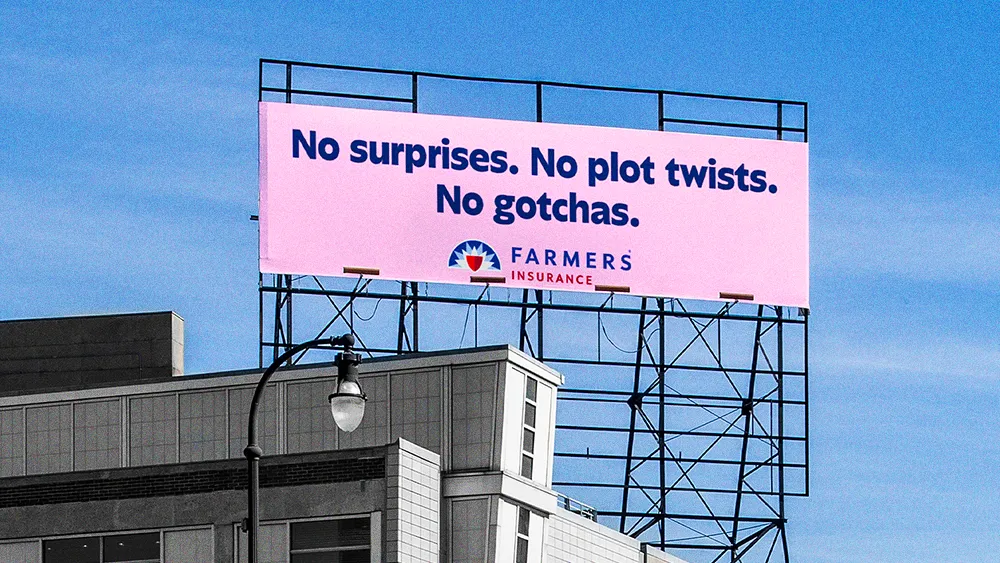
Air Transat, which held no FIFA rights, built its campaign on a complaint fans were already making about ticket prices. It ran billboards across Canada that set match tickets against airfare, pointing out that watching England cost $3,402 while a round-trip fare there started at $779. "It was pretty smart," Lamoureux says. "Very visual, culturally relevant, and poking fun at FIFA and all of the controversy around its profits."
Levi's and Air Transat both found their way into an argument fans were already having, and the tarp and the billboards traveled across social feeds far beyond the places they hung. For OOH planners, the most useful brief may be the list of things the crowd is already complaining about.
Nike turned fan attention into a production gamble, posting a new piece after every match for the winner alone. When Norway knocked Brazil out 2-1 in the round of 16, Nike released a film around Erling Haaland, and since Nike outfits both teams, Lamoureux is confident a Brazil piece sat finished and unpublished. "It was very bold from Nike because it means they had to trash one of the two scenarios," he says. "They planned for the unexpected." Pulling that off meant shooting a film for each possible winner, paying for work that would never air and holding the winning cut until the whistle decided which one to release.
Lamoureux saw a similar commitment in the long-form films for YouTube that Nike and Adidas built their campaigns around, and in France, he says, Nike aired its full cut right before a national team match and owned the entire commercial break. "It's good that brands behave more like a media or a cultural actor than a business trying to sell stuff," he says.
The best placements rode fan routines
Lamoureux also wants fans leaving the tournament with something in hand. "Getting your hands on some limited edition products or having your own Polaroid photos printed always gives you a much longer lasting impression," he says. "It's a lot more impactful than a video ad online." The brands that pulled this off attached themselves to routines fans already had. Getting to the New York New Jersey stadium meant queuing outside Penn Station for a limited run of trains, so Uber put its $49 shuttle home in front of the people who would face that same crowd again after the final whistle.
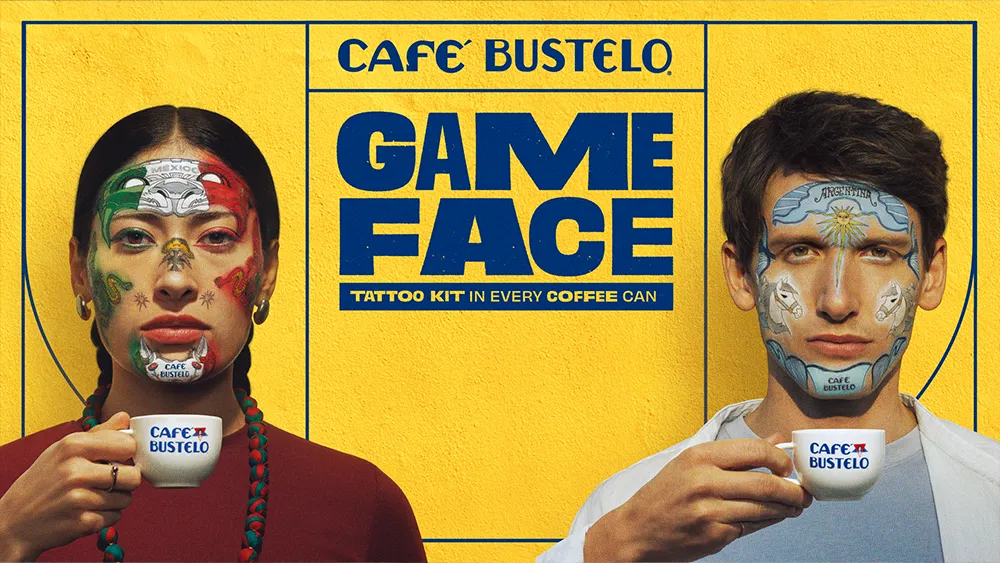
Café Bustelo held no FIFA rights, so it built its campaign on the one surface it already owned. Limited-run cans for Argentina, Brazil, Colombia and Mexico each carried artwork by an artist from that country, with a sheet of temporary tattoos tucked under the lid, which put the brand in the kitchen during the minutes fans spend getting their faces ready for a match. The same illustrations later went up as hand-painted murals in neighborhoods where the brand already sells, so the design fans wore to their watch parties turned up again on the walls around them.
Rights need ideas
Adidas owned the match ball, dressed a long list of teams and carried the official partner title. Top-tier partner packages bring FIFA marks, stadium signage, broadcast integration and hospitality, and Forbes estimates their cost at $150 million to $200 million per cycle. Lamoureux wanted more from a brand holding all of that. "I don't think they were that creative with this," he says. He'd have pushed more of that budget into activations on the ground, and he's wary of what the FIFA association now signals to fans. "The FIFA name now has a kind of bad perception," he says. "It's not the most positive thing to have next to your logo anymore."
Official status puts a brand inside the tournament, and Levi's and Air Transat found their own way in by paying attention to what fans were already seeing and saying. The 2027 Women's World Cup in Brazil and the 2028 Los Angeles Olympics will hand every brand, sponsor or not, an audience that Lamoureux says now watches the ads almost as closely as the match. "The commercials are now part of the game," he says.