Why Sports Sponsorship Hinges on Belonging, Not Just Visibility
Nick Watson, Global Lead for Brand Health Tracking at Ipsos, breaks down what separates memorable sports sponsorships from expensive ones, and why brand fit is replacing logo placement as the key currency.
Make brandbeat one of your go-to sources on Google

Fandom isn’t about watching, it’s about belonging. For brand sponsorships to be successful, brands need to show fans and demonstrate why they belong there as well.

Nick Watson
The 2026 sports calendar is one of the busiest in recent memory. With the FIFA World Cup landing on North American soil, the expanding footprint of Formula 1, and the reliable draw of the Olympics and the Super Bowl, brands are actively making their marketing pitches to secure sponsorship deals across the calendar's biggest moments. As teams finalize and launch their extensive World Cup advertising campaigns, treating modern sports sponsorship like a 1990s media buy can be a fast way to burn through a budget. The old approach of optimizing purely for eyeballs has run its course, with the market too fragmented for logo placement alone to do the work. Today, long-term alignment with fan culture has become the real engine behind effective sponsorship.
Nick Watson, Global Lead for Brand Health Tracking at Ipsos , has spent close to two decades working in media, brand and communications research. With a focus on helping clients track and navigate the fragmented advertising and media landscape, he has a direct view into how sponsorship spend translates into actual consumer memory, and how often it does not. Watson recently outlined the key sports sponsorship findings in the Ipsos report, The Long and Short of Sports Sponsorship, arguing that the cluttered attention environment has fundamentally changed what brands can expect from one-off placements.
"Fandom isn't about watching, it's about belonging. For brand sponsorships to be successful, brands need to show fans and demonstrate why they belong there as well," says Watson. The trap starts with scale itself, as the sheer size of global mega-events draws brands toward strategies that prioritize visibility during moments like the 2026 FIFA World Cup over the harder strategic questions. Watson notes many brands still treat sponsorship like a media play, buying impressions and screen time without considering whether audiences will remember anything by the end of the tournament. "59% of people globally intend to watch the World Cup. It’s a massive number, and the opportunity to get in front of that audience is appealing for brands, but scale alone doesn't guarantee your brand will be remembered."
Beyond the static logo
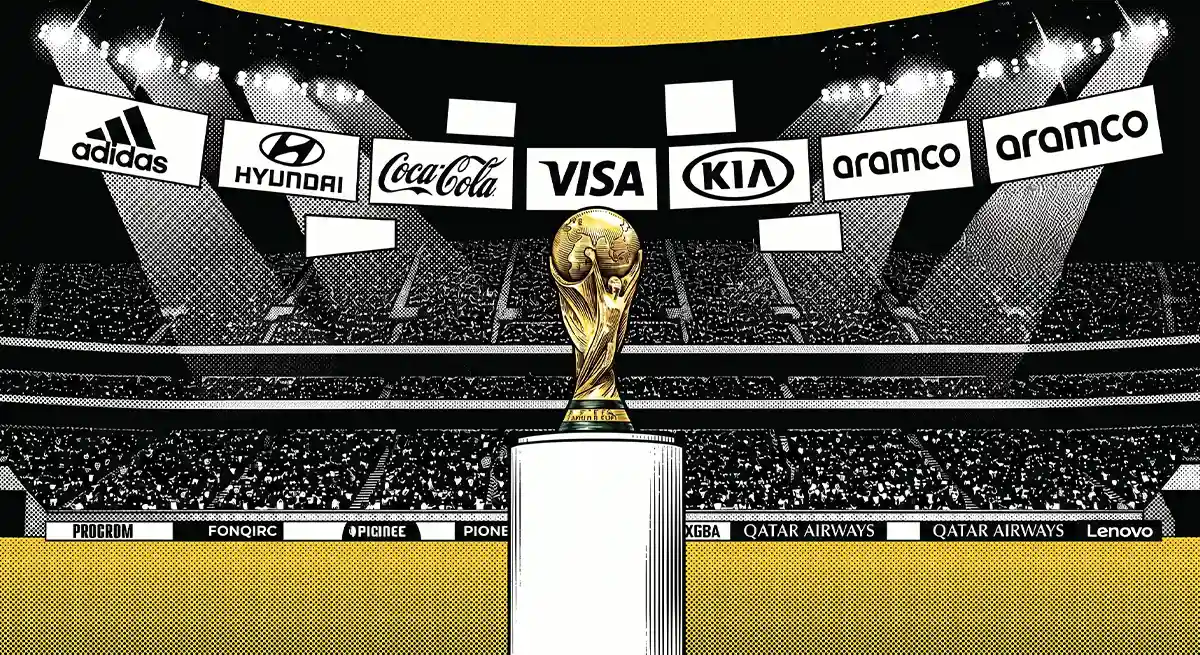
Even after navigating the rigid legal frameworks of sports sponsorship deals and signing a massive contract, sponsors face the practical hurdle of cutting through saturated visual environments. "If all you're doing is just slapping on a brand logo at an event, you're in trouble," Watson says. "Think about all the different logos on an F1 car. You would struggle to pick out three or four. If you had to name what's on a Ferrari, you'd struggle." The same dynamic plays out across club-level placements where loyalty to the team does not transfer cleanly to the brand riding alongside it. "We find that the crest of the team or the name of the stadium aren't strongly linked to the sponsoring brand," Watson explains. "If you're a sponsor of Arsenal Football Club, when fans see the jersey or badge, it doesn't mean they instantly remember the sponsor behind it. They're actually quite weak assets because people aren't there looking for the sponsor."
The recall problem only gets worse once the event itself ends. Sponsorship awareness peaks during the games themselves and falls off quickly after the closing whistle, leaving brands without sustained presence to start over from a lower baseline each cycle. The paper highlights how sustained presence can live beyond the stadium, with 43% of fans engaging in passion-related social media groups year-round and 70% of the most active fans doing the same. Watson points to continuous investment as the antidote, with the brands carrying their visibility into the off-season generally able to compound recognition rather than reset it. "Sponsorship awareness peaks in and around the event, which makes sense because that's where you're putting all your money, but it also quickly drops off," he notes. "If you're not sustaining that presence, when the next event comes around, you have to throw more money at it again to try and get that awareness back up."
The 'brand blindness' trap
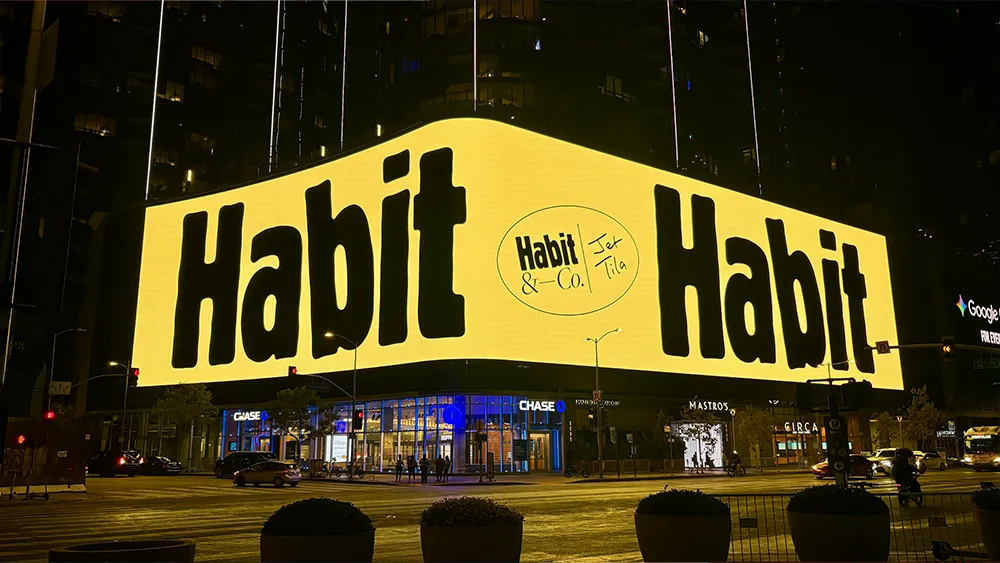
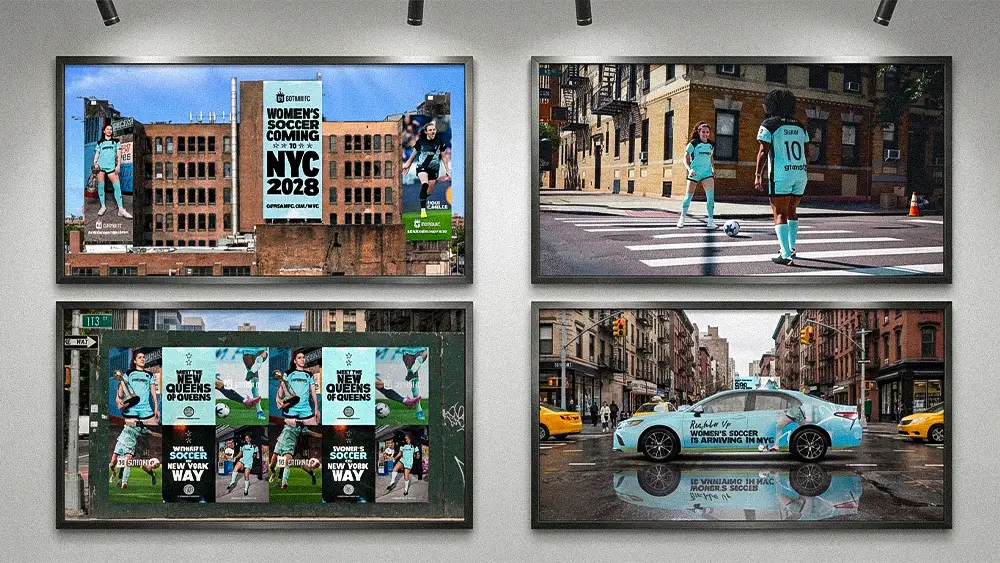
The deeper risk for sponsors leaning on generic creative is what Watson refers to as "brand blindness", where the audience remembers the event more clearly than the brand paying to be there. High-visibility channels like out-of-home advertising and host-nation activations reward distinctive creative and punish the opposite, so when sponsors lean on standard imagery of fans, players and stadiums, the work blends into the background of every other tournament campaign. The opportunity sitting on the other side of that risk is the same one competitors use to deploy OOH ambush marketing tactics to blur the lines of sponsorship, which is exactly why official sponsors need creative sharp enough to make official tournament supporter status pay off.
Brand-specific creative is what separates a memorable sponsorship from an expensive one. The trap is that visuals built around shared event iconography end up working for the tournament more than the sponsor, regardless of how much budget is behind the placement. "It's quite hard to distinguish between who is an official sponsor and who isn't, particularly if they share the same visuals and iconography. It becomes really difficult," Watson notes. "When everything looks the same, you can remember the ad, but you can't remember the brand within it. If people can't associate your brand with the creative they're seeing, essentially you are just paying money to promote the event rather than your brand."
When sponsorship sticks
For sponsors looking to break through, the playbook starts with treating sponsorship investment with the same rigorous consistency as a traditional brand campaign. Watson looks to Coca-Cola's nearly 100-year run with the Olympics as the working example, with the paper citing the brand's 21% unaided awareness as significantly outperforming newer Olympic sponsors. " They've shown up with a clear overarching message, linking directly with brand rituals. In our research, we look at three distinct routes to building this type of fit: functional integration, emotional and behavioral link, and geographical ties." he says. "Coke brings people together. It's the sharing of those moments, and that's what you're doing during the Olympics. They bring that message to life in different forms, but it is always consistent and persistent."
Done well, sponsorship integration can mean weaving a marketing strategy into sports culture to earn a credible place in the mind of consumers. The brands willing to do that work are positioning themselves for an entirely different return profile, one anchored in the reality of why sports actually move audiences in the first place. For Watson, that work ultimately comes down to belonging, and the language sponsors use to describe their own presence is often the first signal of whether they've earned it. "Rather than simply announcing their presence, brands must visibly demonstrate that they are celebrating the highs and lows alongside the fans, proving they understand what it means to be part of that community. That belonging part is so key in being able to make sponsorship stick," Watson concludes.