We really have to be the brands that solve people's problems.
 Josephine MuvumbaManaging Director @ MetropolitanRepublic
The Brand Experience and Activation category at Cannes Lions 2026 drew well over a thousand entries, and jurors worked through stacks of them looking for a reason to advance any single piece. The work that moved forward shared one quality: it fixed a real problem in the customer's life, not a messaging problem the brand made up.
Josephine Muvumba judged that category firsthand. After beginning her career as a copywriter, she spent the next twenty-five years climbing into executive work, which gave her a read on both the craft and the operational machinery behind integrated campaigns. As Managing Director of MetropolitanRepublic Uganda, where she runs financial and tourism accounts, she evaluates multimillion-dollar global work through the resource-constrained lens of an emerging market. That vantage point is why her verdict on what wins is worth hearing.
"It is really important now to look at our industry and say creativity is the only thing we have left," Muvumba says. "We messed it up by never charging for it correctly. But it is not too late. Now more than ever, with all the brain rot and AI slop, we have a chance to show why we deserve to be paid the big bucks and why we are still relevant. As agencies, we are there to talk about the customer. What is the customer going through? When you solve for that, rather than what the client wants me to say, you can make a bigger impact." The value has moved from what the client wants said to what the customer needs solved.
The last thing agencies own
The argument sharpens once product parity enters the picture. In categories where the offering has flattened out, the brand is the only remaining differentiator, and a brand that solves something wins the room. "If you look at banks or telcos, there is nothing really different between them apart from the brand," Muvumba says. "We really have to be the brands that solve people's problems." Executing that starts with interrogating the brief, and the campaigns that survived the jury room mostly did so by refusing the version of the problem they were handed.
Building the fix instead of naming it
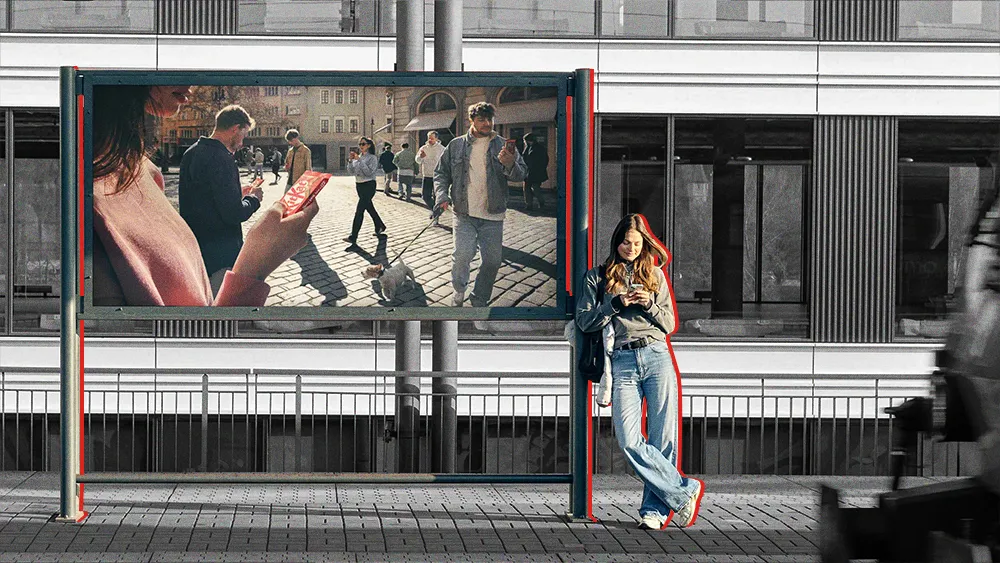
Muvumba points to Could Have Been a Heineken, the Grand Prix winner in Social and Creator, as the model. The campaign turned overly long WhatsApp voice notes into an incentive to meet up in person, letting people swap a three-minute monologue for a free beer at a nearby bar. "We live in a world which is so paradoxical. We are the most connected we have ever been, but we are the loneliest we have ever been," she says. "It is not an ad. It is actually telling people, hey, you could have just had a beer and talked about this. It is creating the connection rather than talking about it." Most ads describe the connection they want you to feel. This one handed people a reason to go make it.
The problem sets the scale
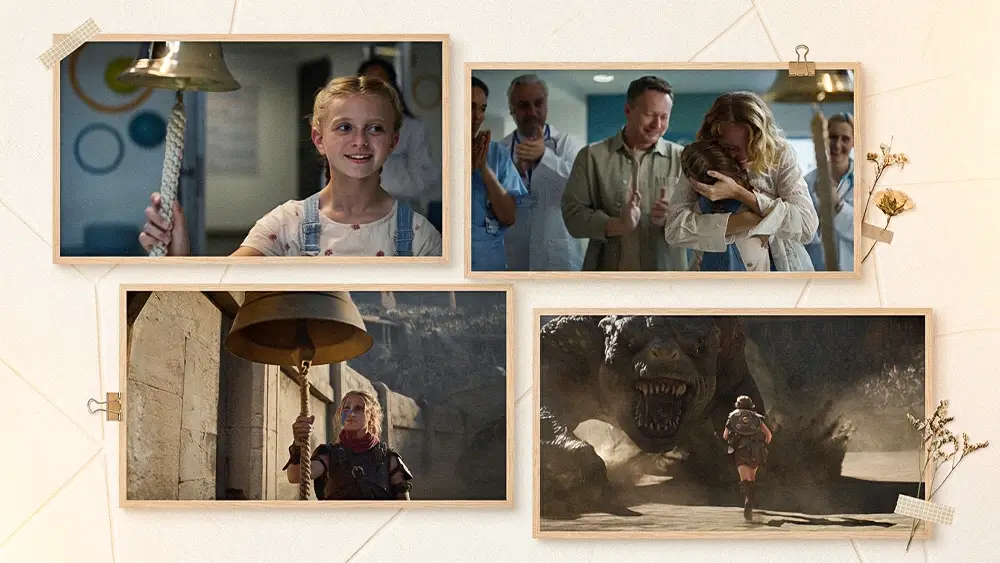
A problem-solving idea works independently of budget, in her reading, as long as the human problem underneath it is big enough to matter. She points to Unfading Love, an Ogilvy Thailand film for Thai Life Insurance about a mother with Alzheimer's who tattoos her son's medication on her wrist so she won't forget it. "Thinking about the scale is not the issue. The issue is what problem are you tackling," Muvumba says. "It had two people in it. It punches far above its weight because it is well-intentioned. It is tackling the problem of not just insurance, but aging and the things that old people go through, especially with medical illness." Two actors and a wrist carried an idea most seven-figure productions never reach.
A film that lands like that comes from an agency and a marketer who trust each other, and Muvumba watches that trust erode every time a relationship turns transactional. Fast digital turnarounds have made a lot of client work quick and disposable, and brand consistency is the casualty. "We have strayed away from this partnership aspect of agency-marketer because of the data-driven world we are living in now. It is not data-informed, it is data-driven," she says, pointing to the AXA insurance team's integration across campaigns including its rugby sponsorship. "That level of integration only comes through if you have a marketer and an agency who sing the same song out of the prayer book, who understand that brands are not built in a day."
Built to improvise
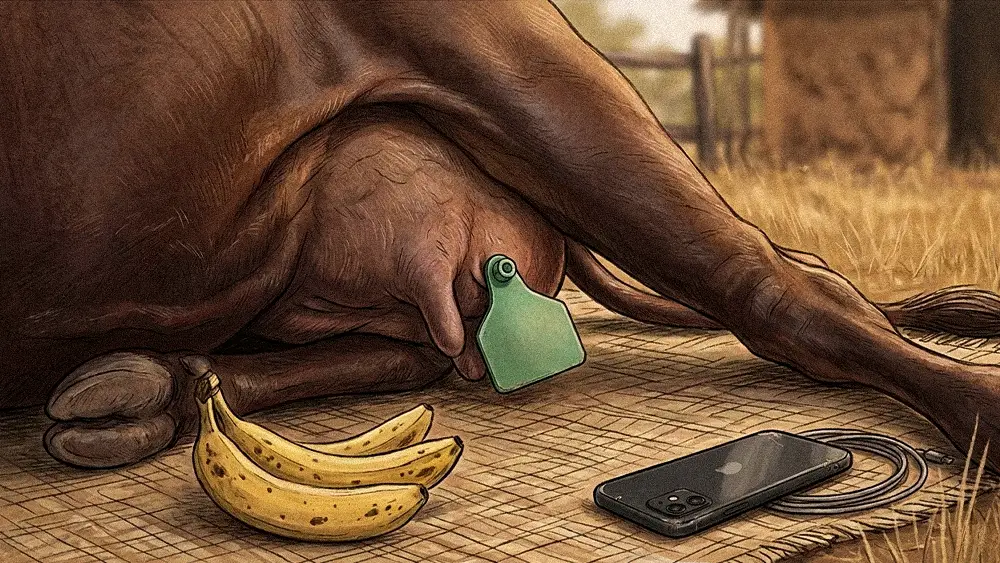
The structural constraints of emerging markets, in Muvumba's account, breed exactly the kind of problem-solving Cannes now rewards. She highlights Paid Sick Leave for Cows, the Kenyan campaign for Too Good that took the country's first-ever Grand Prix. Farmers legally cannot sell milk while a cow is on antibiotics, but many sell it anyway because they depend on the daily income. "So they created this program where cows get sick leave," she says. "You're sick, you've been taking medication, so you can't be milked, and the milk is actually fit for human consumption." Registering cows as workers entitled to recovery time reframed a food-safety violation as a question of fair pay, which removed the incentive to break the rule in the first place.
That instinct is already how the continent's creatives work, long before a Cannes jury names it. "Africans are the most resourceful people. They do not wait for the circumstances to be perfect. They just move," Muvumba says. "If you go to Lagos and try to shoot a commercial and you do not have the right equipment, somebody's like, 'Hey, I have a phone. We're shooting this now.' That in itself is innovation and creativity."
The packaging problem
The gap she sees is not in the ideas but in how they reach international juries. The work is strong; the framing around it is what needs attention. "There is a lot of good work on the continent. I don't think it is well packaged," she says. "We need to ask: do we tell our stories the right way?" Her 2026 trip made her the first Ugandan woman to judge at the festival, which she reads as proof the room has opened up. The DE&I work at Cannes, she argues, has already changed who gets seen, and the diversification is real enough that the barrier now is presentation rather than permission.
"Because Cannes is really diversified now. It is very equitable and inclusive. The DE&I efforts that have been made are astounding. We can go and win at Cannes. It is not impossible."