Out-Of-Home Advertising Pays Off When Brands Buy Across The Format Spectrum
Scott Blair, Head of Client Development for North America at billups, explains why out-of-home advertising works best when brands treat it as a format decision rather than a channel line item.
Make brandbeat one of your go-to sources on Google

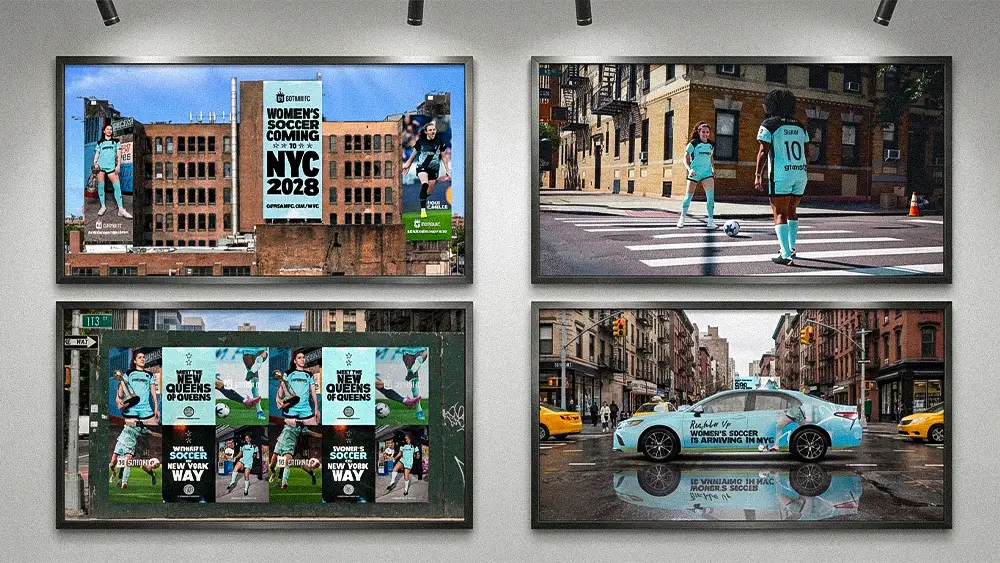
What I like brands to consider is the 'and' approach of buying traditional and non-traditional space, regular digital spots, and programmatic investments because ultimately they all can function to maximize a budget.

Scott Blair
The most useful question a brand can ask about out-of-home (OOH) advertising isn't whether to invest in the channel, but which specific pieces of it to use, in what combination, and against which campaign goals. Traditional billboards, digital screens, programmatic buys, transit takeovers, airport boards, and event-based activations each carry different economics and deliver against different KPIs. Choosing across those formats is where the practical planning work actually happens.
As Head of Client Development for North America at billups, Scott Blair leads the sales and growth teams across the U.S., Canada, and Mexico, working directly with brands as they think through how to deploy inventory across markets. His experience includes his first tenure at billups where he served in various client development and leadership roles before a 10 year stint at OUTFRONT before his return to billups in 2025. Throughout his career, Blair has watched the cost objection show up first in conversations with brands entering the channel, often before format strategy comes up at all.
"While some buyers are quick to challenge the out of pocket costs of out-of-home it has always been one of the most efficient media in terms of being able to deliver impressions in high volume at a low CPM.,His response to the cost objection is to shift the evaluation frame to cost-per-thousand, where OOHsits among the most aggressive in the media landscape. From there, the strategic question is not how much to invest in the channel but how to spread that investment across the formats to deliver messaging to the right audience, at the right place, at the right time.
There continues to be a massive opportunity for brands to get morecreative in the space to drive earned media impressions beyond the paid media as well. What I like brands to consider is the 'and' approach of buying traditional and non-traditional space, regular digital spots, and programmatic investments because ultimately they all can function to maximize a budget," Blair says.
Matching format to the moment
To ground the format-mix conversation in something specific, Blair walks through O'Hare Airport as an example. Certain pieces of inventory are claimed so consistently that programmatic bidding isn't a reliable way to secure them. That reality shapes how the remaining budget gets distributed across formats. "Say you're targeting a business consumer and you know that you have to have that digital board coming out of O'Hare Airport. When a piece of inventory gets locked up, you know that you've got to employ a strategy where you need a traditional spot buy to guarantee you'll be running in that rotation," he explains. "Let the rest of your investment fill in the entire marketplace as opposed to having to buy really wide on a spot basis."
The KPIs guiding the campaign are what shape the format mix. For campaigns driving people to retail, Blair points to omnipresent placement and repeated exposure as the base layer. For brands that see value in in-real-life brand moments, event-based activations offer a short-lived but highly customizable program. "When we look at the KPIs on how they're going to measure the campaign's success, we definitely want some omnipresence in there," says Blair. "There's that repetitive nuance recognizing consumers have a shorter attention span, so you need that ability to hit them over and over again with some of that frequency. Having that base is really important."
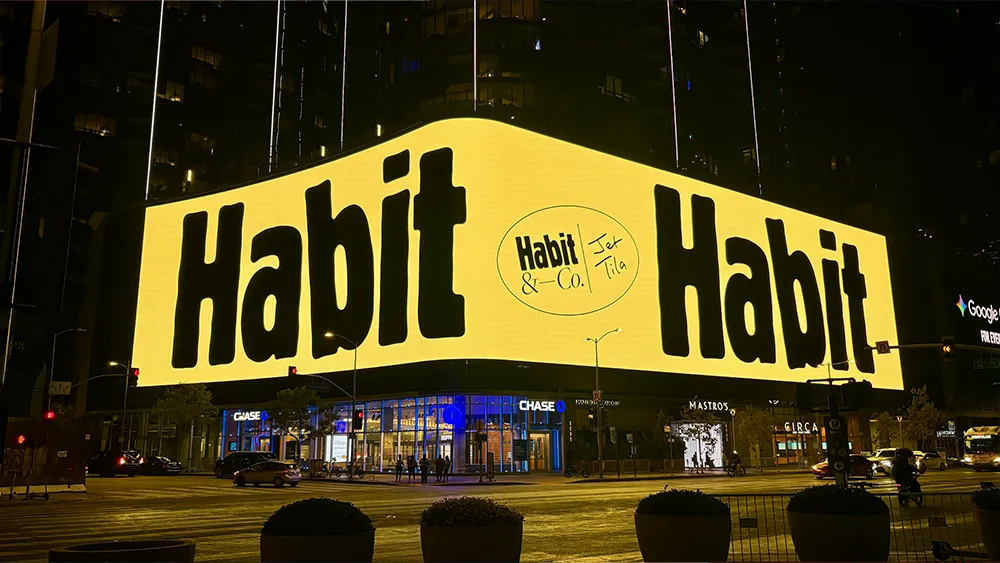
Digital OOH unlocks a different capability, giving brands the ability to adjust messaging in real time. Blair frames the reactivity as one of the format's core operational advantages, letting a brand tie its message to whatever is happening in the world at that moment. "The nice thing about digital is that you can get really customized with your messaging in different dayparts and trigger of certain weather conditions for maximum relevancy in the moment," Blair notes. "You can be reactive in terms of what's happening out in the world, the latest news, and what's hip and trendy, like what's happening with the recent FIFA World Cup who scored the goal,things you can change your messaging on a dime to be that much moremeaningfulto the consumer."
Reaching the tipping point
Format strategy only pays off when the creative underneath it is doing the right work. Blair's view is that too many brands still design OOH as though the consumer is encountering the brand for the first time. In reality, the same consumer is already carrying the brand's visual identity from every other channel they engage with. The physical execution can then do less explaining, letting the brand's existing color schemes and themes do the reminding. "There's still too many brands out there that aren't giving the consumer enough credit to connect the dots. I see too many campaigns where they go so literal because they're afraid that the consumer won't get it," Blair observes. "This is why you still conduct focus groups, try different things, and get the consumer to give you the nod."
Blair reads the current state of the industry through being a part of as many networking events and cross-industry marketing conferences to stay with the pulse of what brands and their agency partners need most. What stands out to him now is who is showing up: veterans with decades of experience alongside newly hired analysts on enterprise data teams, all engaging with OOH as part of the broader planning conversation. "I think the proof point is seeing that even the newest generation that basically grew up with nothing but digital and mobile devices, hearing them understand and see that out-of-home is a little different," Blair says. "We're probably at that tipping point where enough folks have seen the success. Those that have been less willing to jump in with both feet are now williing to take the leap and try some new strategies."