The Strongest Creative Commerce Makes the Purchase Feel Like the Payoff
VML's Kim Pick on why the strongest creative commerce work makes the purchase the emotional center of the idea, turning every touchpoint into a place to buy.
Make brandbeat one of your go-to sources on Google

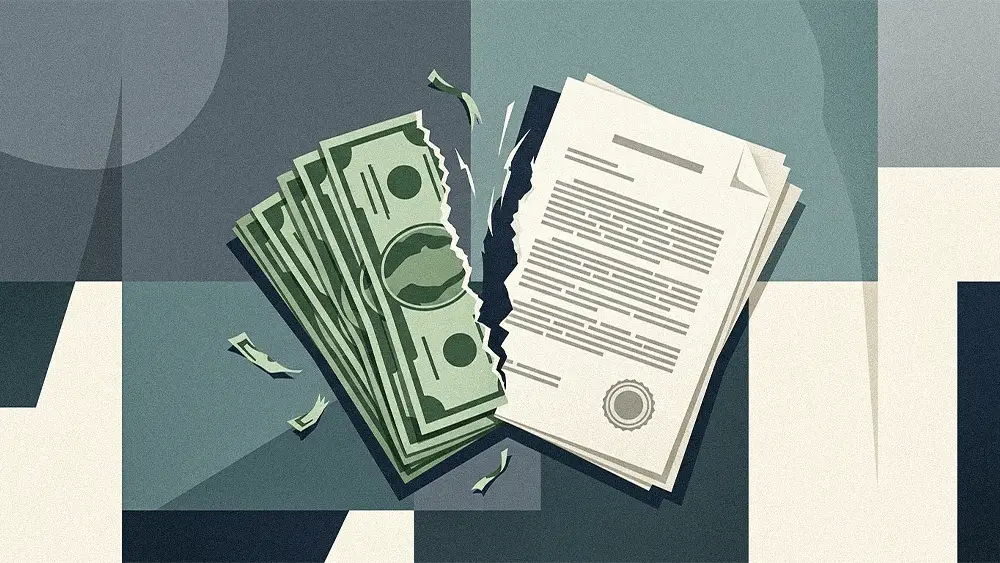
When commerce and creativity are siloed, even the best creative ideas have to navigate existing paths to purchase. When those workstreams are combined, every touchpoint on earth becomes a potential point of purchase.

Kim Pick
At Cannes, the strongest creative commerce work made buying feel like the natural payoff to the idea. The purchase carries the story forward, rewarding participation or deepening the experience, instead of sending people from a memorable campaign to a shop tacked on at the end.
Kim Pick is Group Executive Creative Director at VML New Zealand, with more than 25 years of experience across agencies in New York, London, Singapore, Australia, and New Zealand. She has built brand platforms for some of the world's largest advertisers and helped shape early digital and e-commerce best practice through the New Zealand Marketing Association. She recently judged the Creative Commerce Lions at Cannes, where a clear pattern ran through the entries that landed.
"When commerce and creativity are siloed, even the best creative ideas have to navigate existing paths to purchase. When those workstreams are combined, every touchpoint on earth becomes a potential point of purchase," says Pick. The jury went in expecting more fully agentic commerce than they found. The work that scored highest made the sale the payoff of the creative, a habit the category is now built to reward.
Agentic commerce grows up
The entries that worked split into two camps. Magalu carried the front-of-house case, giving an agentic brain to its virtual influencer Lu and setting her loose inside WhatsApp, fluent enough in local dialects to win over skeptics and close sales in conversation.
The back-of-house case won the Grand Prix. Wisła Kraków's Lucky Fan Index cross-referenced nearly 250,000 fans against 200 game parameters, calculating a personalized score that drove merchandise sales and held a loyalty loop together through the team's relegation.
One idea used AI to talk to people and the other to understand them at scale, and both put the transaction at the emotional center of the work.
Unexpected places to buy
The most memorable work turned environments nobody thinks of as shoppable into points of sale. Mandatory Vacation Packages caught employees the moment they opened a dry HR email and realized they were required to take a break, converting that email into a travel launchpad. The Period Uniform embedded reusable period underwear into official school uniform checklists, making menstrual protection an automatic, stigma-free part of getting dressed.
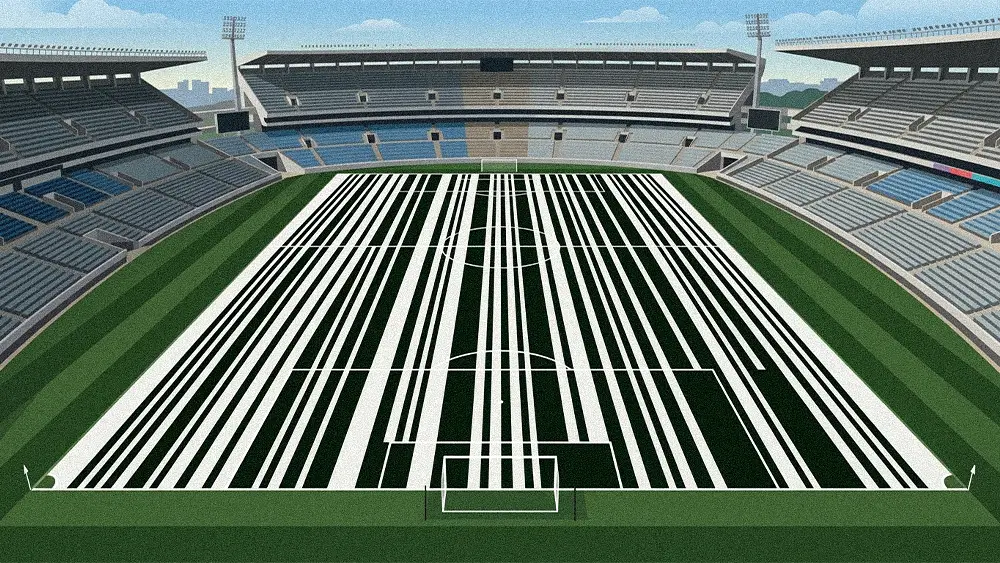
"What separated the truly Creative Commerce ideas was integration," says Pick. Field Barcode for Mercado Livre was one example, turning a football pitch into a scannable code for fans in the stadium and watching at home, folding the transaction into the live entertainment itself.
Four shifts worth watching
Pick pointed to four changes creative leaders should track. The first reimagines the currency of exchange, with consumers transacting through their social influence, competitive gaming data, or statistical luck. The second is authenticity through genuine creator partnerships. She highlighted Vaseline Originals, where the brand co-created products with the verified originators of viral skincare hacks and shared real revenue with them.
"In an era where AI-generated content is diluting trust, radical transparency and human authenticity are more valuable than ever," says Pick. Her third shift treats everywhere as a point of sale, the through-line connecting nearly every example she admired, and it echoes the collapsed funnel thinking spreading across shoppable formats.
Friction earns its keep
For years, the e-commerce holy grail has been the invisible, one-click checkout, with every extra step treated as a defect to engineer away. Pick's fourth shift flips that, and recent work shows consumers will welcome those steps when they make the transaction more rewarding, more community-driven, or more fun.
The Extra Virgin Bar for Saints Pères dropped a curated olive oil experience inside a luxury porcelain shop and lifted in-store dwell time by 900 percent, driving trial and repeat visits. Gamified activations like The Golden Zone for McDonald's kept users engaged as they shopped. Deployed with intent, this kind of value-rich omnichannel strategy turns attention into its own reward.
Pulling any of this off demands a level of internal alignment most organizations still lack, which is why so much promising commerce work stalls before it scales. Disconnected teams chase quick wins and settle for short-term stunts, when the real prize is a repeatable platform that generates revenue and brand affinity for years. Pick's point is that checkout should open a relationship. "To pull this off, brands have to dismantle the legacy silos that separate brand marketing from sales, performance, e-commerce, sponsorship, media," Pick concludes. The brands willing to tear down those walls are the ones who will own what comes next.